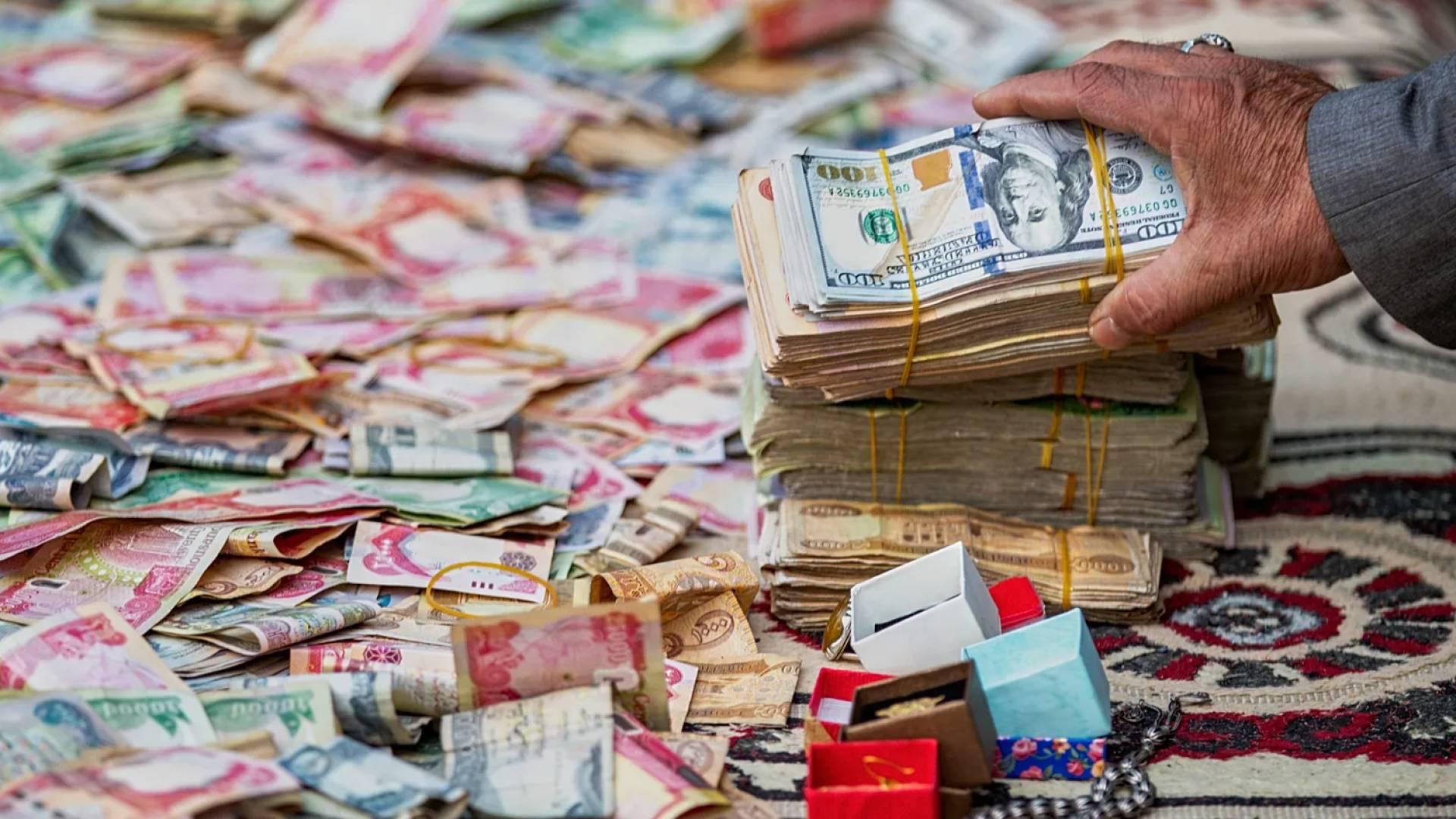
- Funds to be used for essential goods purchase, some sourced from US.
- Both parties agreed on temporary de-escalation period.
- Witkoff, Kushner warned Hormuz transit fee could jeopardize broader agreement.
- GCC states have begun talks on post-agreement maritime security framework for Hormuz.
Technical delegations from the United States and Iran have finalized a preliminary understanding in Doha regarding the release of a first installment of frozen Iranian financial assets.
According to sources familiar with the indirect talks cited by Axios, the breakthrough involves a $3 billion tranche.
To comply with strict international sanctions frameworks, the capital will not be wired to Tehran in cash.
Instead, the Central Bank of Iran will be permitted to draw down the $3 billion directly to procure essential humanitarian commodities and basic goods, a portion of which will be purchased directly from American suppliers.
Transit fee warnings
While technical groups resolved early financial hurdles, significant structural rifts remain regarding maritime security.
Axios reported that President Donald Trump’s senior envoys, Steve Witkoff and Jared Kushner, used the indirect channels to issue a stark warning to the Iranian delegation.
The American envoys conveyed that Tehran’s insistence on imposing unilateral transit tariffs or commercial fees on shipping lanes passing through the Strait of Hormuz could instantly derail negotiations and completely destroy any chance of finalizing a comprehensive treaty with the United States.
Calm-period protocol
To shield the fragile diplomatic track from sudden military or regional flare-ups, a senior US official confirmed that a temporary “calm-period” understanding was successfully brokered during the Doha sessions.
Under this protocol, all participating parties have committed to keeping the regional environment quiet next week.
This calculated pause is intended to provide technical working groups with the necessary political room to make concrete progress on implementing the remaining clauses of the 14-point MoU signed on June 17.
Concurrently, Arab Gulf states are looking past the current interim diplomatic timeline. Recognizing the volatility of the situation, GCC defense architects have initiated separate, internal discussions on how to collectively manage and secure the Strait of Hormuz once the temporary provisions of the US–Iran Memorandum of Understanding officially expire.
Axios
