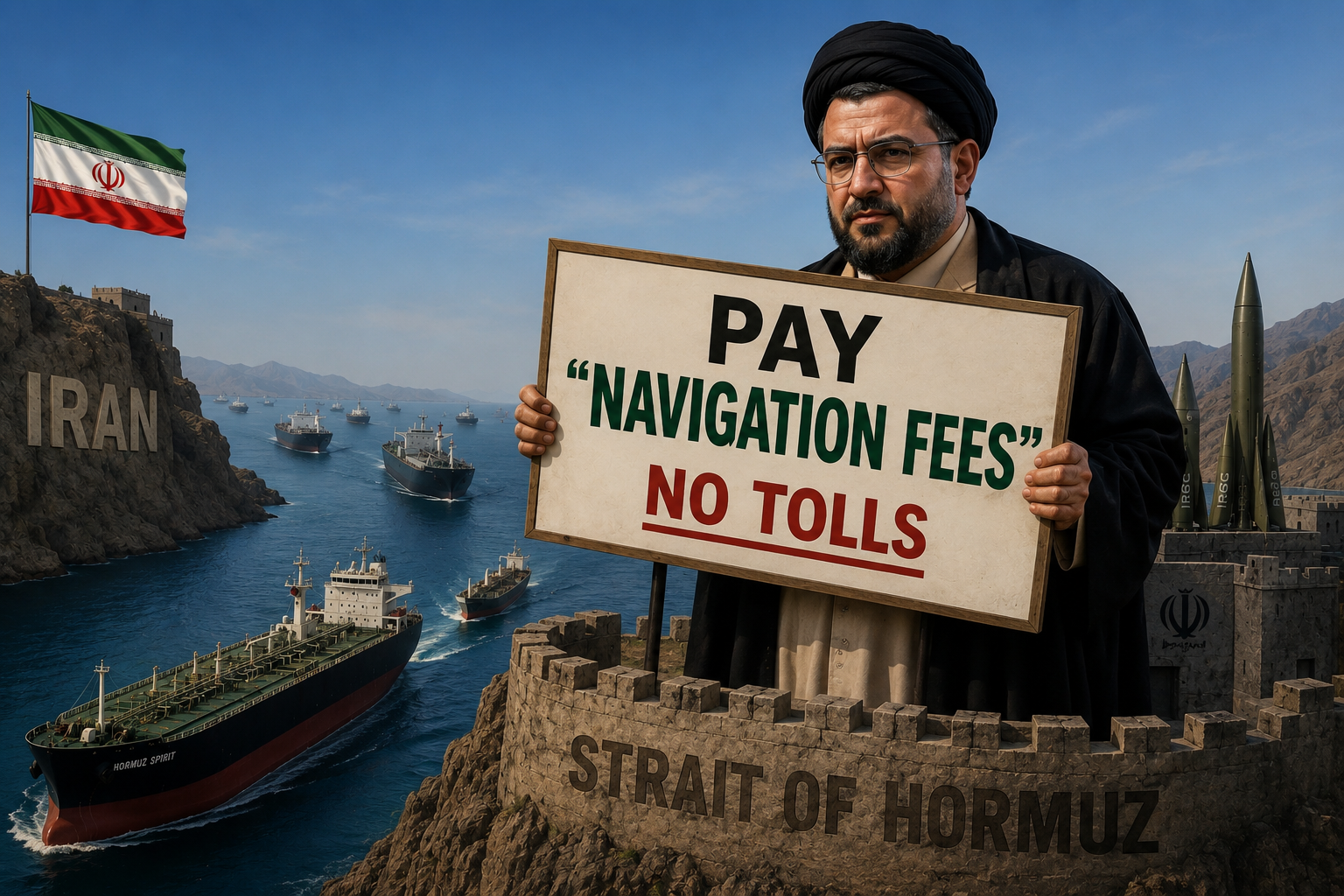
Continued Iranian threats to target ships trying to navigate the strait — demonstrate that Tehran still has the power to threaten the waterway and global oil shipments. Hegseth says the Issue of Hormuz came up relatively often. But his assertion that the fight over the waterway is different from the military’s broader Epic Fury operations underscores the Trump administration’s scramble to avoid bigger fallout.
What to know about the Iran war today:
- President Trump announced Friday he would be making a “final determination” on a potential agreement with Iran during a meeting in the White House Situation Room. Mr. Trump said in a Truth Social post the deal must see the Strait of Hormuz reopened, and Iran must work with the U.S. to have its highly enriched uranium “DESTROYED.”
- The meeting wrapped up Friday afternoon, but Mr. Trump does not appear to have made a decision as of Saturday morning.
- Defense Secretary Pete Hegseth, at a conference in Singapore, said on Saturday that Iran was “coming in our direction” and “talks have been productive.” But he also did not hint at a decision made by the president.
- Lebanon PM defends negotiations with Israel
- In a speech Saturday, Lebanese Prime Minister Nawaf Salam defended negotiations with Israel that took place on Friday at the Pentagon.
- Those talks, which involved Lebanese President Joseph Aoun, did not appear to yield any immediate results.
- “Are the negotiations guaranteed to succeed? Certainly not. But they are the least costly path for our country and our people, compared to the other options available today,” Salam said Saturday, translated from Arabic.
- Tommy Pigott, spokesperson for U.S. Department of State, had said on Friday: “The Secretary commended President Aoun’s courage and vision in pursuing direct negotiations with Israel, even as Hezbollah continues its attempts to derail those talks at the expense of the Lebanese people.”
- Salam answered why the country would undertake the direct negotiations in his speech Saturday.
- “This path is not easy and will not be short, but it becomes shorter and we become stronger on it when all efforts unite under the roof of the Lebanese state,” he said. “And that requires renouncing exclusivity and stopping the stubbornness.”
Strait of Hormuz came up “relatively often” in Hegseth’s talks with other countries
Maybe unsurprisingly, the matter of the closure of the Strait of Hormuz came up regularly in Defense Secretary Pete Hegseth’s conversations with other countries at the Shangri-La defense conference in Singapore.
“The blockade is very much still in place, and the Strait of Hormuz came up relatively often, and usually once we talked through it, countries were reassured that the American perspective accounted for [their concerns], which it did from the beginning,” Hegseth said Saturday.
Hegseth added that a deal with Iran is intended to “reshape the global map” when it comes to energy.
“The president has talked about … how the future in energy is actually an American future, and that’s good for energy security around the world,” the defense secretary said.
“It will be an open strait, a toll-free strait, that the entire world can use then, which is the way that it should be,” he added.
CBS
