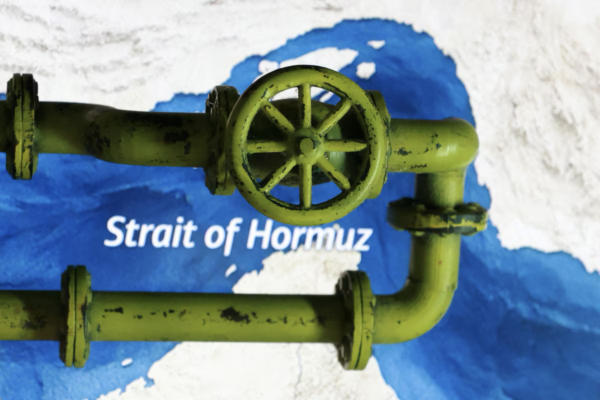
Photo- A map showing the Strait of Hormuz and a 3D printed oil pipeline are seen in this illustration taken March 23, 2026. REUTERS/Dado Ruvic/Illustration
Iran is no longer threatening one chokepoint—it is positioning proxies to control every alternative route
By : The Editorial Board, Opinion
The Strait of Hormuz is no longer a risk. It is a weapon.
Since the February 2026 disruption, Iran has demonstrated that it can effectively control the world’s most critical energy artery—using mines, drones, and intimidation to choke nearly 20% of global oil flows. This is not a temporary crisis. It is a structural shift.
But the real danger lies beyond Hormuz.
Iran has built a layered strategy designed to ensure that no alternative route is safe. Its proxies are not scattered—they are positioned with precision along the world’s energy lifelines.
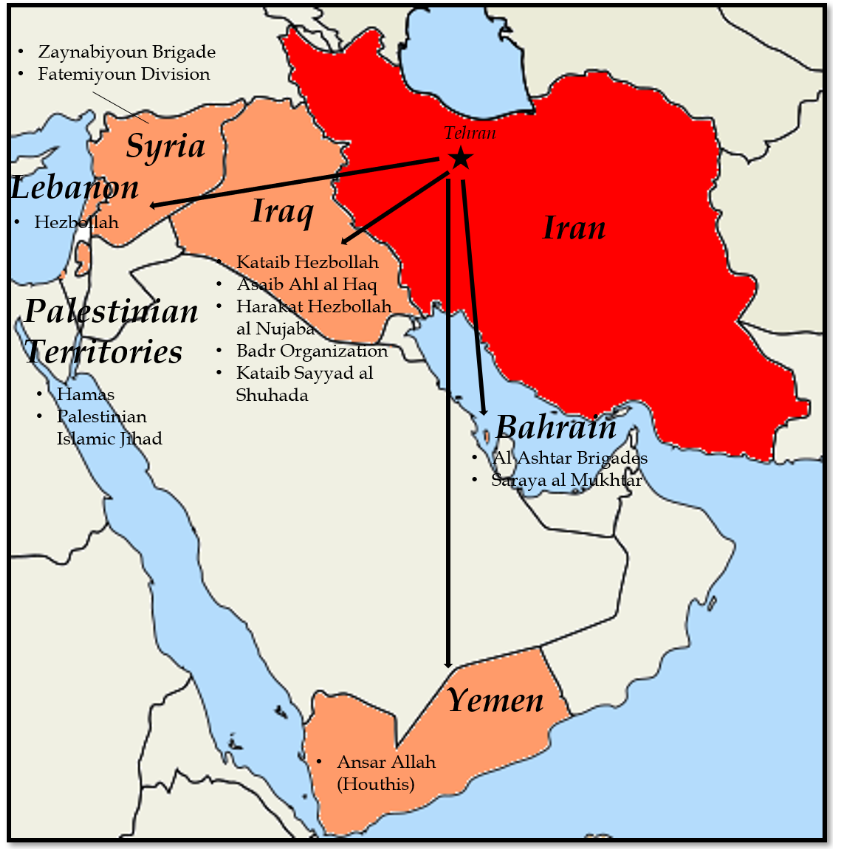
In Yemen, the Houthis sit astride the Bab el-Mandeb, the southern gateway to the Red Sea. If activated at scale, they can threaten Saudi Arabia’s east-west pipeline exports to Asian markets—neutralizing one of the most important bypass routes to Hormuz.
To the north, Iran-backed militias in Iraq operate near key infrastructure corridors that could carry oil westward to the Mediterranean. These routes, once seen as viable alternatives, now sit within range of disruption.
Further west, Hezbollah and aligned groups in Lebanon and Syria occupy the very geography required to revive Mediterranean export pipelines. Their presence ensures that even a northern bypass remains vulnerable.
This is not coincidence. It is strategy.
If Hormuz is bypassed, pressure the Red Sea.
If the Red Sea holds, threaten the Mediterranean.
What emerges is a multi-chokepoint system of coercion—where Iran can extend its reach far beyond its borders without direct confrontation.
This changes the equation entirely.
Bypassing Hormuz is necessary—but no longer sufficient. The world is no longer dealing with a single maritime bottleneck. It is confronting a network designed to turn global energy into a controlled flow.
The response must be equally strategic:
- Secure Hormuz through credible, sustained international naval deterrence
- Accelerate and diversify pipelines beyond single-point vulnerabilities
- Confront and contain the proxy network that makes every route unstable
Because if this model holds, the consequences will be permanent.
Energy will no longer move through markets.
It will move through permission.
And that is not trade.
That is control.
