HERE IS THE LATEST:
- Secretary of State Marco Rubio said Tuesday that progress has been made in talks between Iran and Oman on the Strait of Hormuz, “but not finalized yet,” adding, “We’re hoping that will happen very shortly.”
- He made the comments after President Trump again backed down on attacks against Iran to allow for negotiations, saying, “I want to give them every last chance before decapitation. … We’ll see what happens.”
- Yemen’s Iran-backed Houthis claimed Tuesday they carried out a drone strike on “a sensitive target” at an airport in southern Saudi Arabia. The Saudis have not commented on the claim.
Iran-Oman talks focusing on proposal to reopen Strait of Hormuz, source says
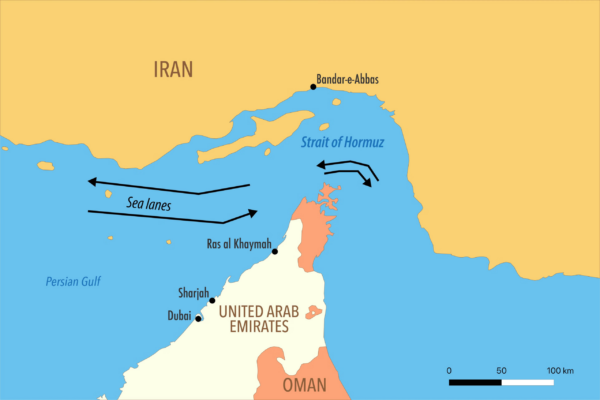
An Iranian source familiar with the direct Iran-Oman talks has told CBS News the discussions between Tehran and Muscat are now focused largely on the mechanics of reopening the Strait of Hormuz.
Under the current proposal, ships entering the strait would use the channel closest to Iran, with Iran coordinating inbound traffic, while vessels leaving the strait would use the Omani side, with Muscat managing outbound traffic.
The proposal also includes a “service fee,” with the revenue split between Iran and Oman.
According to the source, the broad outlines have largely been agreed upon, with the remaining discussions focused on implementation and timing.
“The southern route through the Strait of Hormuz remains free and open for all commercial vessels seeking to transit the international waterway,” U.S. Central Command said later Tuesday.
The military added that U.S. forces have assisted more than 1,000 vessels in safely transiting through the strait over the past three months.
Lebanon and Israel hold new round of direct talks in Rome
Lebanon and Israel held a fresh round of U.S.-sponsored talks in Rome on Tuesday, with Beirut seeking Israel’s phased withdrawal from the country’s south.
Convoys carrying delegations from the two countries arrived in the morning to the U.S. Embassy in the Italian capital, where discussions are scheduled to run until Thursday.
“The United States remains fully committed to supporting both governments as they carry this process forward in a manner that delivers lasting security for both countries, eliminates security threats to Israel, and restores Lebanese state authority throughout the south,” State Department spokesman Tommy Pigott said on X.
At negotiations in Washington in June, Israel and Lebanon agreed to a framework deal involving the disarmament of Hezbollah, a gradual withdrawal of Israeli forces from Lebanon’s south and the deployment of the Lebanese army to the region, starting in test areas known as “pilot zones.”
This week’s negotiations are the seventh round of Washington-mediated talks since Hezbollah drew Lebanon into the Middle East war in March with rocket fire at Israel in support of its backer Iran.
Hezbollah leader Naim Qassem said on Tuesday the direct negotiations would bring “nothing but shame, humiliation, and successive compromises” for Lebanon.
