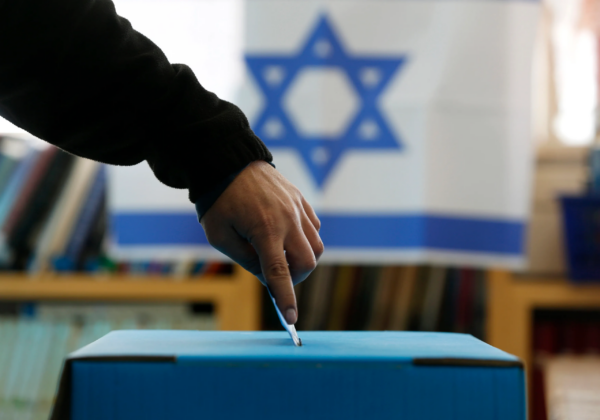
- Israeli voters delivered a sharp rebuke Tuesday to Prime Minister Benjamin Netanyahu in national elections, exit polls indicated, with his opponents appearing to capture a solid majority in the next parliament.
- Even if the exit polls are borne out, the opposition may find it difficult to form a government to replace Netanyahu. The easiest path would involve his main rival, former military chief Gadi Eisenkot, partnering with Arab-led parties, but that could prove politically difficult and potentially alienate other opposition factions.
- The exit polls released by major Israeli TV stations suggested that Netanyahu’s bloc won ABOUT 50 seats, the opposition about 52 and Arab parties won 18. That would set the stage for weeks of political jockeying before a prime minister is declared — or another round of elections is called.
- Israeli news outlets rely heavily on exit polls to gauge potential election results. As with all surveys, exit polls are subject to potential error. Preliminary results are expected on Wednesday. But official results will not be available until the votes have been fully counted and verified by election authorities. While the AP tallies votes and projects winners in U.S. elections, it does not project winners in foreign elections. AP will declare a winner once it is officially confirmed.
- A bad day for Ben-Gvir as he addresses his supporters.
- itamar Ben Gvir was defiant in his first comments after polls show his Otzma Yehudit party has lost seats in the Israeli election. The right-wing politician says he’s proud to have destroyed Palestinian homes and toughened prison conditions during his political career.
Eisenkot supporters join in national anthem
After finishing his speech, Eisenkot borrowed an Israeli flag from someone in the audience and waved it on stage as his supporters sang the national anthem of Israel.
Israeli TV stations revise their exit polls
The polls published by the three major TV stations are now suggesting a slight increase in support for Prime Minister Benjamin Netanyahu but still leaving him short of a governing majority.
The revised polls suggest that Netanyahu’s Likud Party will be the largest in parliament, with about 27 seats. But the broader bloc of parties led by Netanyahu and the bloc of parties led by his main rival, Gadi Eisenkot, each captured about 51 seats in parliament, the polls suggest. Initial exit polls had indicated Eisenkot’s bloc had a slight edge.
A candidate needs 61 parliamentary seats to form a majority coalition government.
Arab-led parties won the remaining 18 seats, the exit polls suggested.
If official results, expected in the coming days, reveal a similar breakdown, Israel could face weeks of uncertainty as parties jockey for power.
Eisenkot delivers plea for national unity
In a speech early Wednesday, he pledged to form a government and promised “a new era of hope” for Israelis.
“Today, Israel went out to a referendum over the leadership that will lead Israel in the coming years,” Eisenkot said to cheers from supporters. “The people decided in favor of change.”
He warned Netanyahu “not to use Israel’s security for your political needs” while he is a caretaker prime minister, an apparent reference to reports that the Israeli leader was considering an attack against Iran in the sensitive days leading up to the elections.
News Agencies
