The Lebanese-American Coordinating Committee (LACC) issued the following price release under the title
Lebanon’s Sovereignty and Reform Opportunity, One Decision-Making Authority, Effective Implementation, and an End to Duality
Washington, DC and Beirut Lebanon –
The Lebanese-American Coordinating Committee (LACC) believes the rapidly evolving developments in Lebanon and the region present a historic opportunity for the Lebanese people to reclaim their State, restore its sovereignty and constitutional authority, and move beyond crisis management toward building an effective and accountable State.
With significant Arab and international support and major regional transformations underway, Lebanon must translate this moment into concrete sovereign and reform measures. This requires one constitutional decision-making authority, consistency between policy and implementation, and an end to the duality that has long weakened the State.
LACC emphasizes five priorities:
- Strengthening the Lebanese-American partnership.
The United States remains a fundamental partner in supporting Lebanon’s sovereignty, stability, and path toward lasting peace. LACC values the support of the U.S. administration and ongoing American diplomatic efforts aimed at advancing Israeli withdrawal, securing the release of Lebanese prisoners and detainees, strengthening legitimate State authority, and creating the conditions for return and reconstruction. - One constitutional voice and one foreign policy.
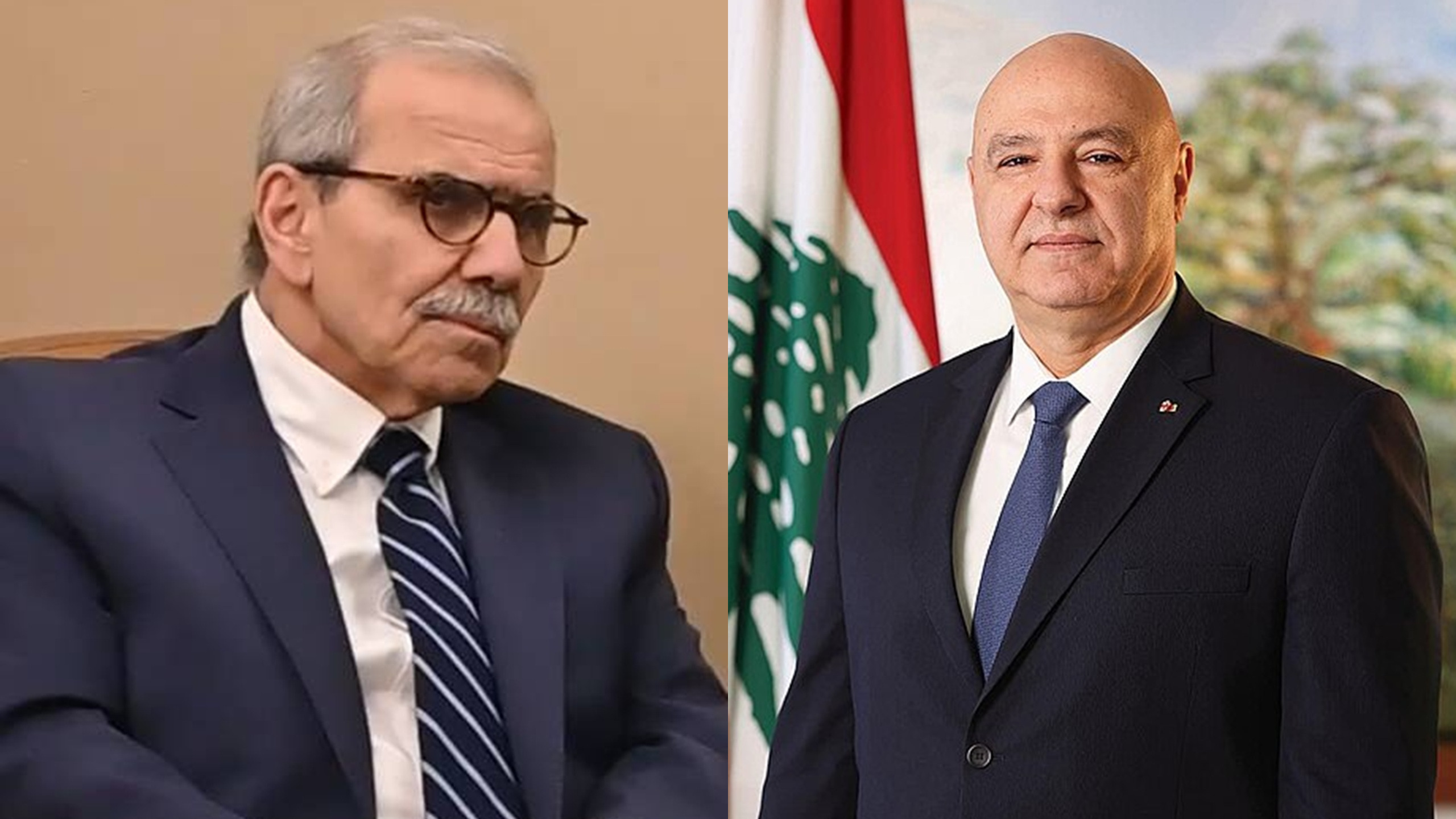
The efforts of President General Joseph Aoun, Prime Minister Dr. Nawaf Salam, Foreign Minister Youssef Rajji, and Lebanon’s constitutional institutions are essential to restoring sovereign decision-making. Lebanon must speak to the international community with one constitutional voice, through one foreign policy, serving one national interest. - Empowering the Lebanese Armed Forces and legitimate security institutions.
Supporting the Lebanese Armed Forces (LAF), Internal Security Forces (ISF), and other legitimate security institutions must mean empowering them to fully implement the decisions of the State. Lebanon’s military and security authority—and control over weapons—must rest exclusively with legitimate State institutions, free from the control of any political party. - Recognizing that time is an element of sovereignty.
Lebanon does not have the luxury of waiting. The current regional and international environment presents an opportunity that may not remain open indefinitely. Negotiations must be translated into measurable results, including Israeli withdrawal, the release of Lebanese prisoners and detainees, LAF deployment, implementation of agreed mechanisms, and the conditions necessary for return and reconstruction. - Making sovereignty and reform one national project.
A sovereign State cannot be built on weak institutions, clientelism, impunity, or political obstruction. Restoring sovereignty must therefore advance alongside structural reform, transparency, judicial independence, accountability, good governance, and a public administration based on competence.
One State. One Authority. One Constitutional Order.
For decades, LACC has defended a clear vision of the Lebanese Cause:
Lebanon of the State, not the non-State and not statelets. Lebanon of the Constitution, not arrangements above the Constitution. Lebanon of citizenship, not clientelism. Lebanon of pluralism, freedom, and justice.
Today, the will of the majority of the Lebanese people, the decisions of the State, regional transformations, and Arab and international support have converged to create a rare opportunity for Lebanon to move from managing the non-State order to building the State.
That opportunity cannot withstand duality in national choices, delays in implementation, or the obstruction of reform.
This is the time for a State that decides, a State that implements, and a State that holds accountable—one State, with one decision-making authority and one set of constitutional institutions, serving all Lebanese citizens.
Source- Lebanese-American Coordinating Committee (LACC)
Media Office | Washington – Beirut
