- Iran claimed new drone strikes Friday against U.S. military facilities in Bahrain, Jordan and Kuwait, as explosions were heard near a military base hosting U.S. forces in northern Iraq and video showed dramatic drone interceptions.
- The attacks came hours after the U.S. military said it completed a 13th consecutive night of strikes on Iran aimed at halting attacks on ships in and around the Strait of Hormuz, which the Trump administration insists is open despite few ships risking passage.
- The pace at which the U.S. is using some of its most advanced missile interceptors and other weapons in the Middle East is unsustainable and has become a point of tension within the Trump administration, U.S. military and intelligence officials told CBS News Thursday.
U.S. forces disable ship allegedly heading toward Iran
The U.S. military disabled a ship that was allegedly sailing toward Iran, in violation of a blockade of Iranian ports reinstated by President Trump last week, U.S. Central Command said.
“We disabled the tanker after the crew attempted to run the blockade at least four times prior. The crew was repeatedly warned, didn’t comply, and U.S. forces on scene disabled the ship after firing into its engine room. The ship is no longer transiting to Iran,” Navy Capt. Tim Hawkins, a CENTCOM spokesperson, told CBS News.
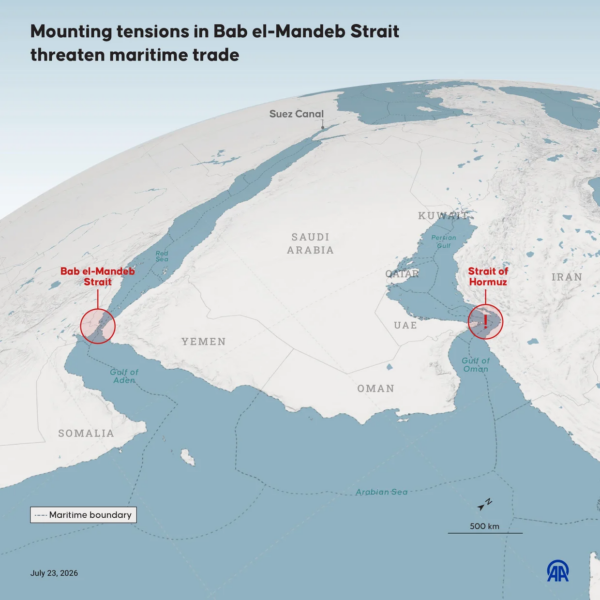
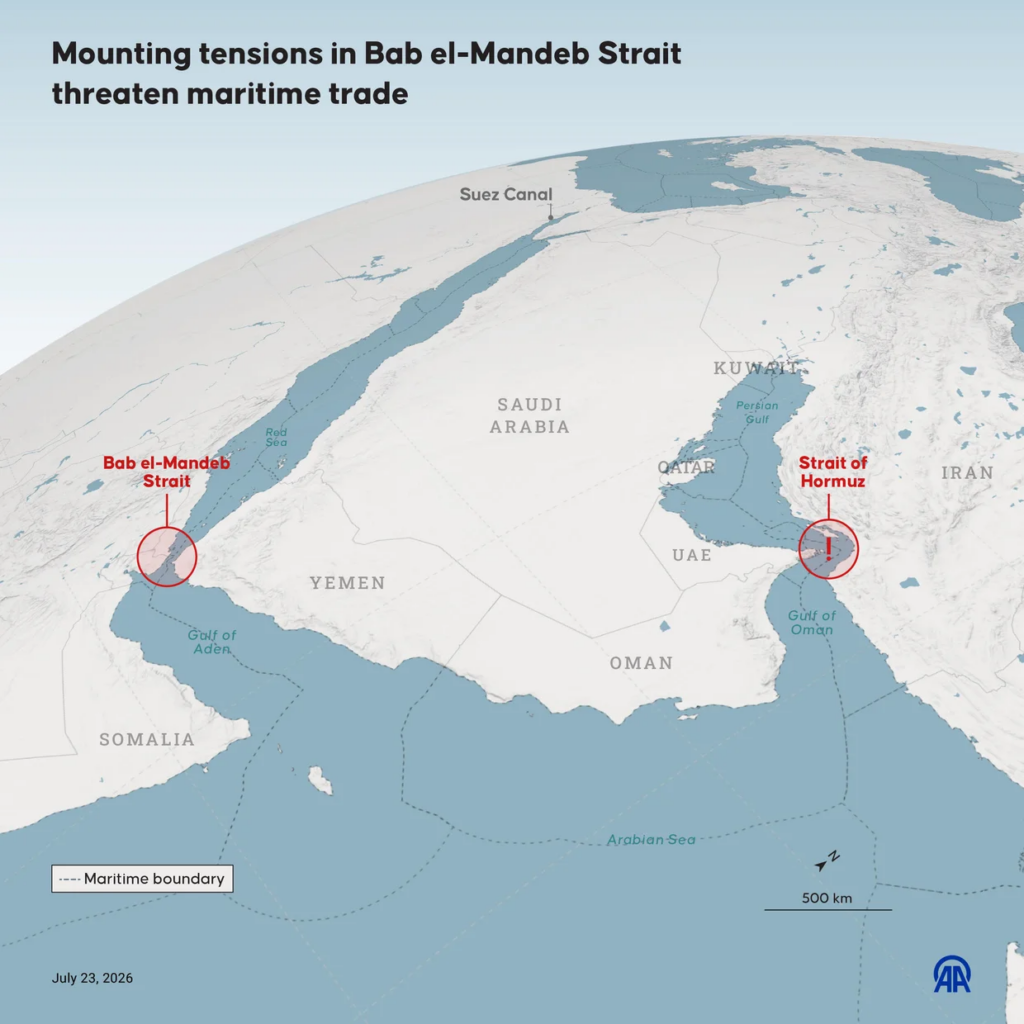
Crossings continue to fall in Strait of Hormuz, but rise in Bab el-Mandeb, data shows
Traffic through the Strait of Hormuz fell to a trickle on Thursday, but the number of commercial vessels passing through the Bab el-Mandeb Strait increased, according to data from intelligence firm Kpler.
Only six ships passed through the Strait of Hormuz on Thursday after 15 passed through a day earlier, according to the data. Five used the northern route designated by Iran, as opposed to the U.S.-sanctioned route to the south, Kpler said.
Traffic was better in the Bab el-Mandeb Strait, which is the southern exit to the Red Sea that passes by Yemen. The Iran-backed Houthi militia based in Yemen targeted two Saudi-flagged ships in the strait late Wednesday into Thursday after threatening to shut down traffic.
Forty-nine vessels traveled through the Bab el-Mandeb on Thursday, according to Kpler, just below the number of ships that previously traveled through the waterway on an average day. Only 29 transited the strait on Tuesday after the Houthis threatened to target ships, Kpler said.
“Several ships that had previously reversed course in the Gulf of Aden and Red Sea completed their crossings, while others remain on hold following earlier U turns,” Kpler said on X. “The data points to a cautious but selective return to transit activity as operators continue to assess security conditions.”
On Friday, the Houthis said they were only targeting Saudi vessels.
