
A sovereign Lebanon and a secure Israel are not competing goals—they are mutually reinforcing. The framework agreement offers a rare opportunity to turn that vision into lasting peace.
By : The Editorial Board , Opinion
The time has come for visionary leaders in both Israel and Lebanon to support President Joseph Aoun’s vision for a new relationship between the two countries. The Lebanese and Israeli people are exhausted by decades of wars that have served neither nation, but instead advanced the interests of outside powers at their expense.
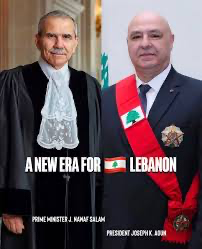
President Aoun and Prime Minister Nawaf Salam have articulated a vision of a sovereign, stable, and peaceful Lebanon. The recently signed framework agreement may not be perfect, but no agreement ever is. If it enables Lebanon to restore its sovereignty, strengthen its state institutions, and live in peace with its neighbors, it will have achieved exactly what the country needs.

Not everyone welcomes that prospect. Much of Lebanon’s old political class has survived by exploiting the country’s divisions and relying on foreign-backed armed groups that flourished in the absence of a strong state. For those who benefited from a weak and fragmented Lebanon, a framework that strengthens national institutions and restores state authority represents a direct threat to the political order from which they have long profited.

Reliance on extremist allies such as Itamar Ben-Gvir (L) and Bezalel Smotrich distancing prime minister Netanyahu from Israeli public. Both are opposed to peace with Lebanon They both see in peace a threat for their power and influence
Opposition to the framework agreement is not limited to Lebanon. In Israel, some of Prime Minister Benjamin Netanyahu’s ultra-nationalist coalition partners also view the agreement with deep skepticism. Many oppose any arrangement that could eventually strengthen Lebanese sovereignty if they believe it would limit Israel’s freedom of action or conflict with their long-term political objectives.
Within Israel’s security establishment, there is also understandable skepticism that the Lebanese Armed Forces will be able to disarm Hezbollah in the foreseeable future. Some senior military officials have argued that, unless Hezbollah is effectively neutralized, Israel cannot safely withdraw from southern Lebanon. One Israeli general said this week that, under those circumstances, Israel would have no choice but to maintain Israel’s military presence.
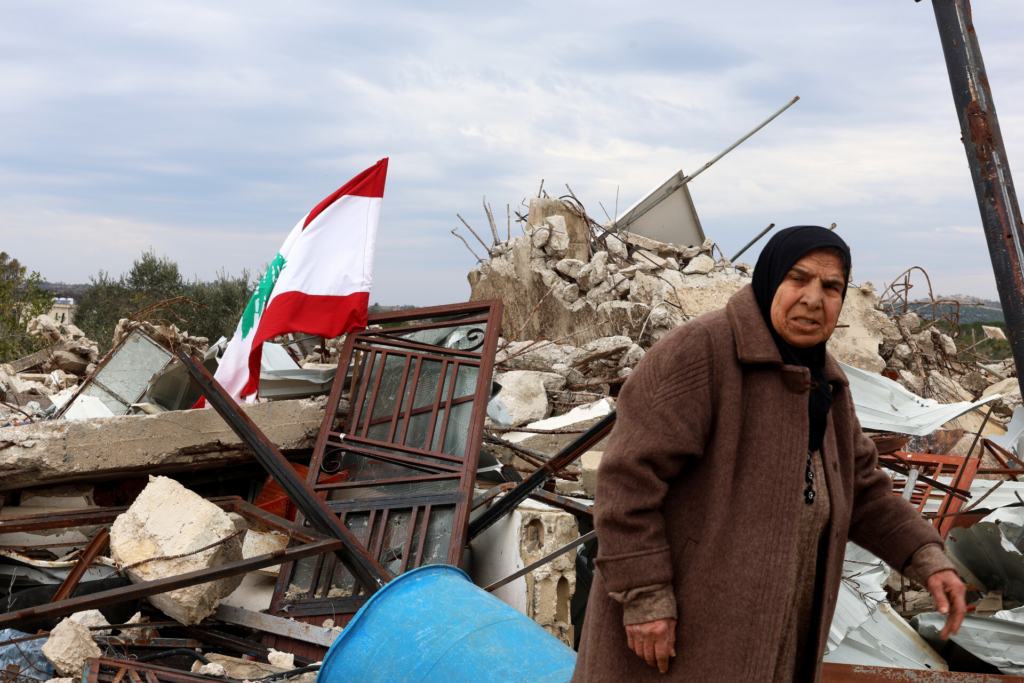
Many displaced started returning to their villages in South Lebanon after the framework agreement was signed in Washington to find their homes totally destroyed in the war . Hezbollah entered its third war with Israel on March 2, 2026 when it and Iran’s Revolutionary Guard , IRGC fired rockets on Israel in support of Iran which was attacked by Israeli and the US on Feb 28. Over 1.2 million people have been displaced in South Lebanon
Those concerns are legitimate, but they should not become an excuse for permanent conflict. The purpose of the framework agreement is not to solve every problem overnight. It is to begin replacing a cycle of war with a process that gives the Lebanese state the opportunity to reclaim its authority and gives both countries a chance to build lasting security.
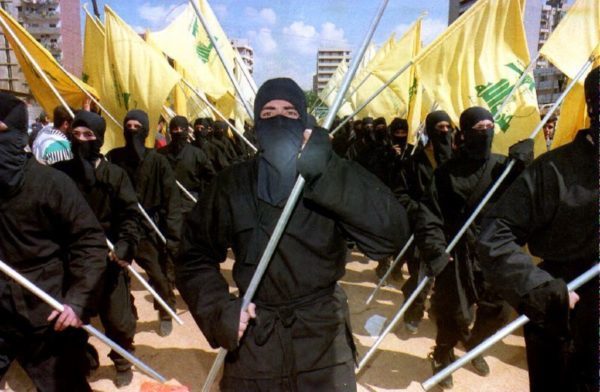
The choice facing both nations is clear. They can remain prisoners of the past, allowing extremists and entrenched interests to dictate their future, or they can empower leaders with the courage to pursue a different path. The overwhelming majority of Lebanese and Israelis have paid the price of war for far too long. They deserve governments that place peace, sovereignty, and prosperity above ideology and perpetual confrontation.
