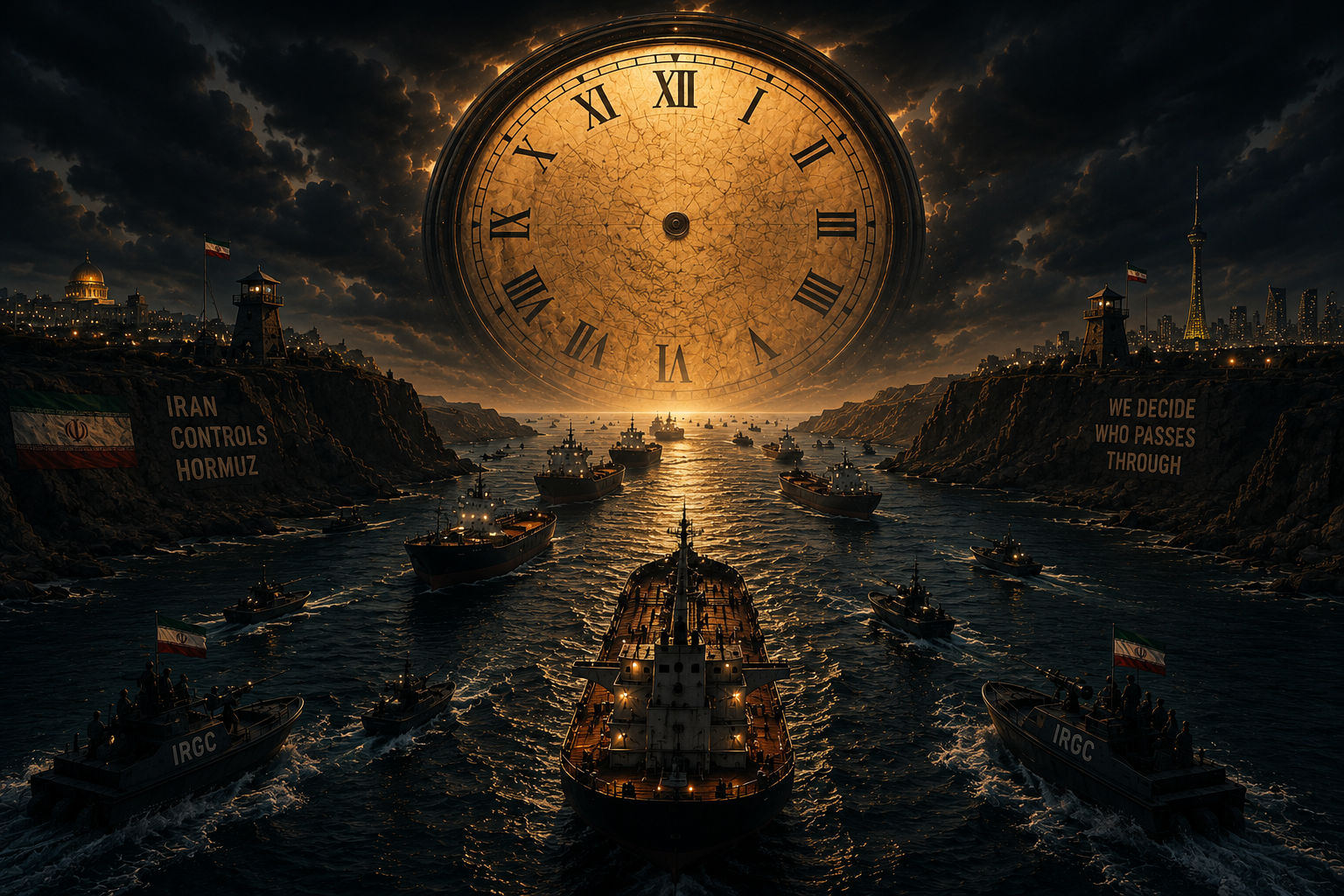
Illustration: The hands of the giant clock hanging over Hormuz quit after repeated deadlines passed without action.
From Carter’s Iran crisis to Obama’s red lines and today’s Hormuz standoff, America keeps repeating the same dangerous mistake: threats without follow-through.
By : The Editorial Board , Opinion
President Donald Trump says “the clock is ticking” for Iran.
But over the Strait of Hormuz, the world increasingly feels that the clock has stopped.
For weeks, Washington has issued escalating warnings, dramatic ultimatums, and threats of devastating consequences if Iran refuses to change course. Trump warned that “nothing will be left” if Tehran failed to comply. Yet Iran still appears capable of challenging global shipping through the world’s most strategic energy chokepoint while international markets remain nervous and America’s allies grow increasingly uneasy.
This is not about partisan politics.
This is about disappointment, failed strategy, and the dangerous erosion of American credibility.
Many Americans—including those who strongly supported Trump’s promises of strength and deterrence—are watching with growing frustration. Many of America’s allies likely feel even worse. They depend on stability in the Gulf far more directly than the United States itself.
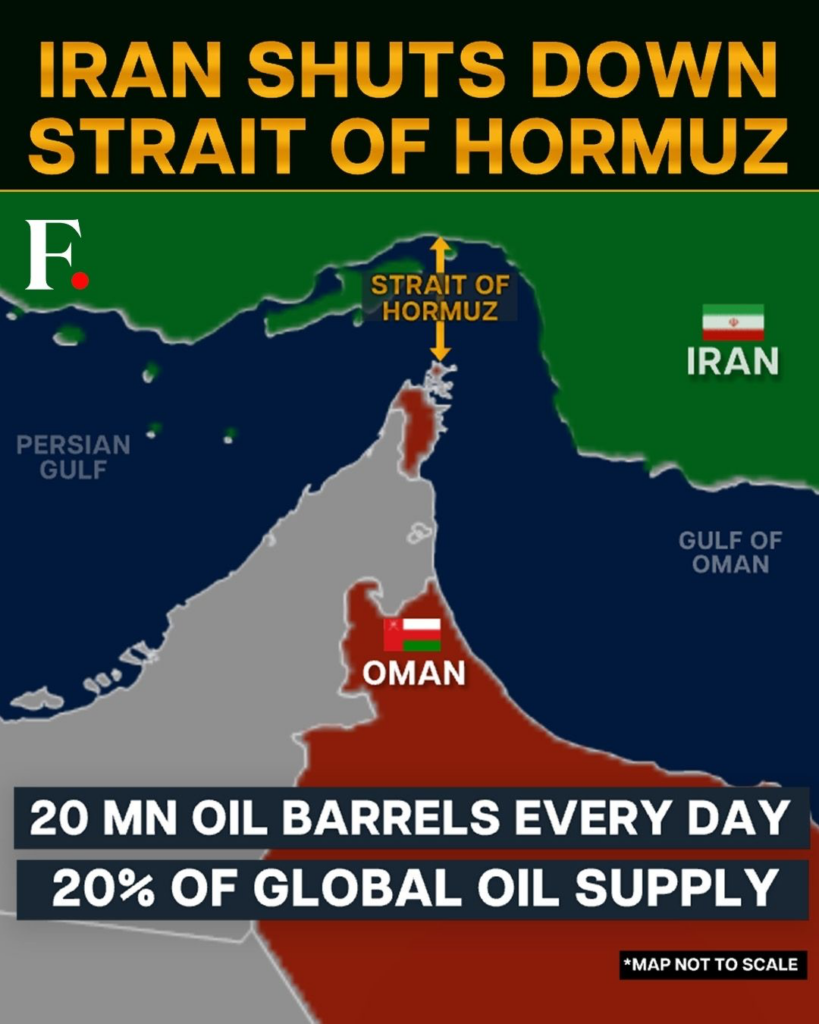
The Strait of Hormuz is not merely an American issue. It is a global economic artery through which roughly one-fifth of the world’s oil and major LNG supplies pass. Europe, Japan, South Korea, India, and much of the developing world rely on it every single day.
That is why repeated threats without visible enforcement become more than political rhetoric. They become a strategic liability.
History has seen this pattern before.
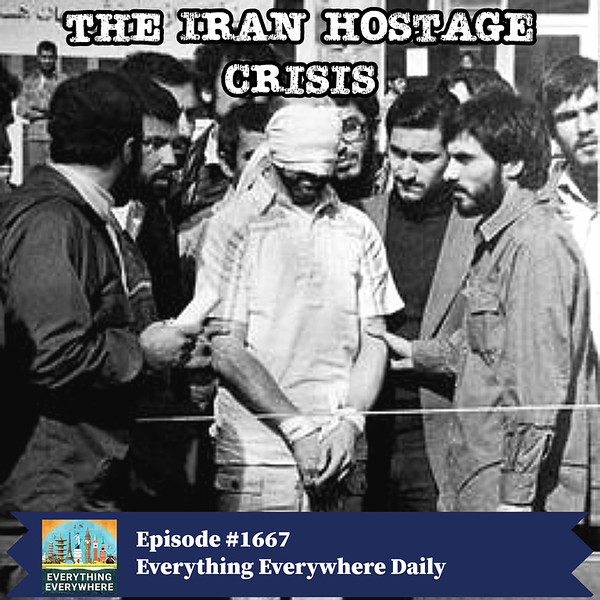
President Jimmy Carter was blamed for the US hostage crisis .
Under Jimmy Carter, America appeared paralyzed during the Iran hostage crisis, creating a lasting perception of weakness that damaged U.S. prestige worldwide.
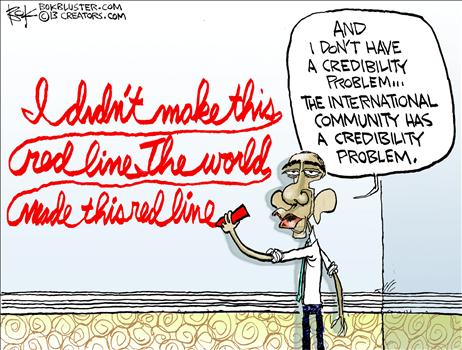
Under Barack Obama, the Syria “red line” episode convinced many adversaries that American ultimatums could expire without consequence.
Today, the same concern is returning.
Iran’s leaders increasingly appear convinced that Washington prefers postponement over decisive action. Every new deadline simply resets the clock. Every warning becomes less credible than the last.
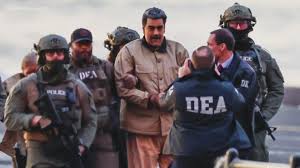
Ironically, Trump himself demonstrated elsewhere that pressure works when backed by enforcement. In Venezuela, his administration’s pressure campaign succeeded because it involved sanctions, seizures, diplomatic coordination, and visible follow-through.
Hormuz requires the same seriousness.
This does not mean America should rush recklessly into another endless Middle East war. Most Americans clearly do not want that, nor should they. But there is a vast difference between avoiding war and projecting uncertainty after issuing repeated maximalist threats.
Ronald Reagan understood this distinction in 1987.
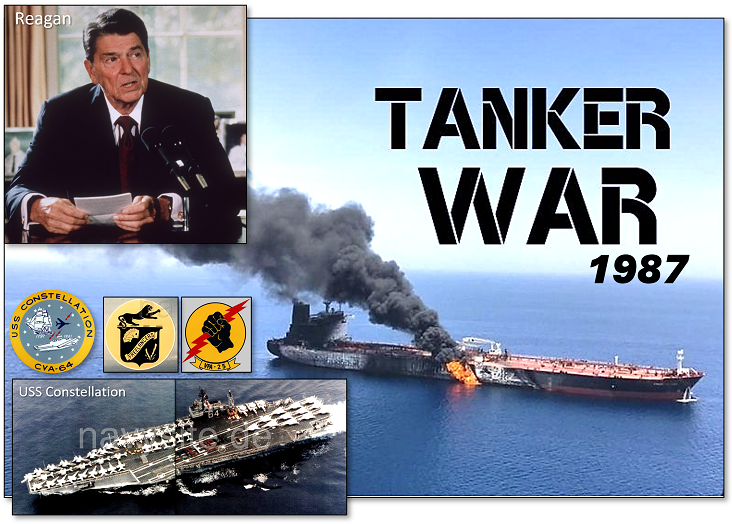
Following repeated Iranian attacks on Gulf shipping during the Iran-Iraq War, Reagan launched Operation Earnest Will, the largest naval convoy operation since World War II. The mission’s objective was simple and clear: no nation would be allowed to hold the global economy hostage.
Reagan did not rely on endless ultimatums.
He acted.
And because America acted decisively, the world believed American deterrence once again.
Today, the contrast is painful.
Washington warns. Iran tests limits. The world watches nervously. Markets react. Allies lose confidence. Adversaries study every hesitation carefully.
Some critics on Wall Street now mock the administration with the acronym “TACO” — “Trump Always Chickens Out” — a reflection of growing perceptions that dramatic threats are repeatedly softened or postponed.
Whether fair or unfair, the existence of that perception alone should alarm every American who cares about U.S. credibility.
Because deterrence ultimately depends on belief.
When warnings are repeated without action, deterrence turns into disbelief.
And once disbelief takes hold, restoring credibility becomes far more expensive than protecting it in the first place.
The giant clock hanging over Hormuz no longer symbolizes pressure on Iran.
It symbolizes the world asking whether America still means what it says.
