As energy flows choke and costs surge, Europe must decide whether to defend its lifelines—or continue outsourcing its security
By : The Editorial Board, Opinion
Europe prides itself on being an economic superpower. It commands global trade, sets regulatory standards, and shapes markets from energy to finance. Yet in the one place where economic power must be defended—at the world’s most critical maritime chokepoint—it has chosen to stand aside.
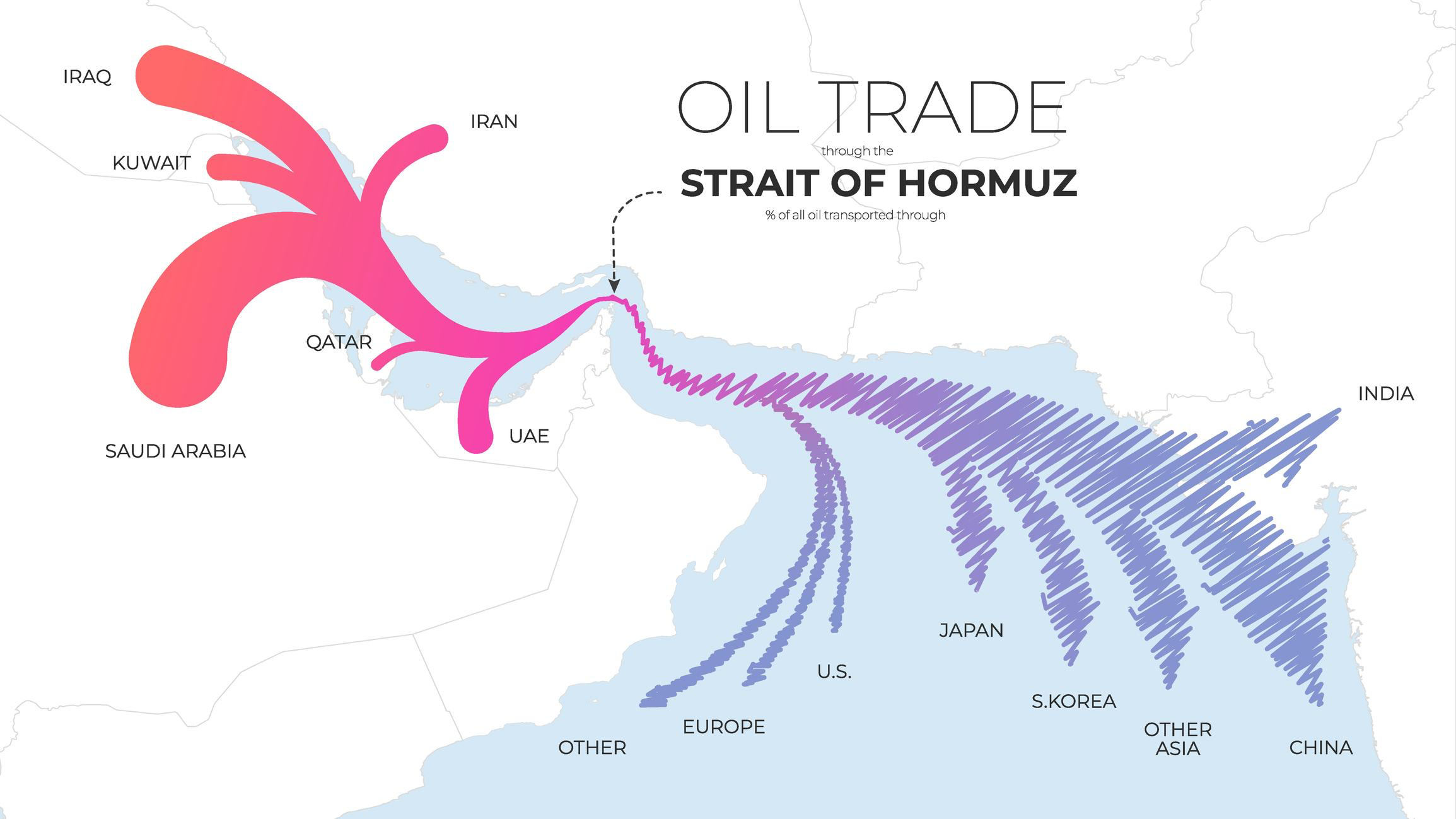
The Strait of Hormuz is not a distant conflict. It is a direct artery feeding Europe’s economy. When it tightens, Europe doesn’t just observe the consequences—it absorbs them. Energy prices surge. Supply chains strain. Inflation rises. Growth slows. Every delay in restoring secure navigation is a cost paid in European households and industries.
And still, Europe hesitates.
The Strategic Contradiction
This is the contradiction now exposed in full view:
Europe is strong enough to shape global markets,
but not willing to secure the routes that sustain them.
The disruption in Hormuz has revealed a structural imbalance. European economies depend heavily on imported energy, much of it transiting through vulnerable chokepoints. Yet when that lifeline is threatened, Europe defers—to Washington, to diplomacy, or to time itself.
Time, however, is not neutral. It favors those who exploit it.
Actors who understand leverage—whether states or proxies—know that prolonged uncertainty is power. They do not need to defeat Europe militarily. They only need to raise the cost of inaction high enough that Europe accepts disruption as the new normal.
Why Europe Hesitates
The hesitation is not rooted in weakness of capability. European nations possess advanced naval forces, intelligence networks, and economic weight. The problem is political and structural.
First, NATO was designed for collective defense, not for safeguarding global trade routes under contested conditions. Its mandate is clear—but limited.
Second, the European Union is an economic powerhouse without a unified military command capable of rapid, decisive action. Coordination exists, but it is slow and often constrained by national politics.
Third, European leaders face domestic realities. Voters are wary of new military entanglements in the Middle East. Governments prefer economic pain over political backlash—at least in the short term.
But that calculation carries long-term consequences.
The Cost of Strategic Passivity
Every day of disruption in Hormuz compounds risk:
- Energy markets recalibrate around instability
- Insurance and shipping costs rise structurally
- Industrial competitiveness erodes
- Strategic dependence deepens
Europe is not avoiding conflict—it is absorbing its economic consequences without shaping its outcome.
This is not neutrality. It is vulnerability.
And it sets a precedent that should concern every European policymaker:
If a global chokepoint can be disrupted without a coordinated response from those most affected, it will be disrupted again.
From Economic Power to Strategic Responsibility
The question Europe faces is not whether it wants confrontation. It is whether it accepts the responsibilities that come with economic power.
Economic security is not an abstract concept. It requires the ability—and the willingness—to protect the systems that sustain prosperity. That includes maritime routes, energy flows, and supply chains.
Europe does not need to act alone. But it cannot continue to act as a bystander.
A credible path forward would include:
- Coordinated naval presence to ensure freedom of navigation
- Unified political backing for maritime security operations
- Clear alignment between economic exposure and strategic response
Without these elements, Europe’s economic strength remains exposed—dependent on others to secure what it cannot afford to lose.
The Choice Ahead
Europe now stands at a strategic crossroads.
It can continue to rely on others—absorbing shocks, managing crises, and hoping stability returns.
Or it can recognize that economic power without strategic will is not strength—it is dependency.
The Strait of Hormuz is more than a distant flashpoint. It is a test.
Not of Europe’s capabilities—but of its resolve.
