By: Vlad Green, Op-Ed
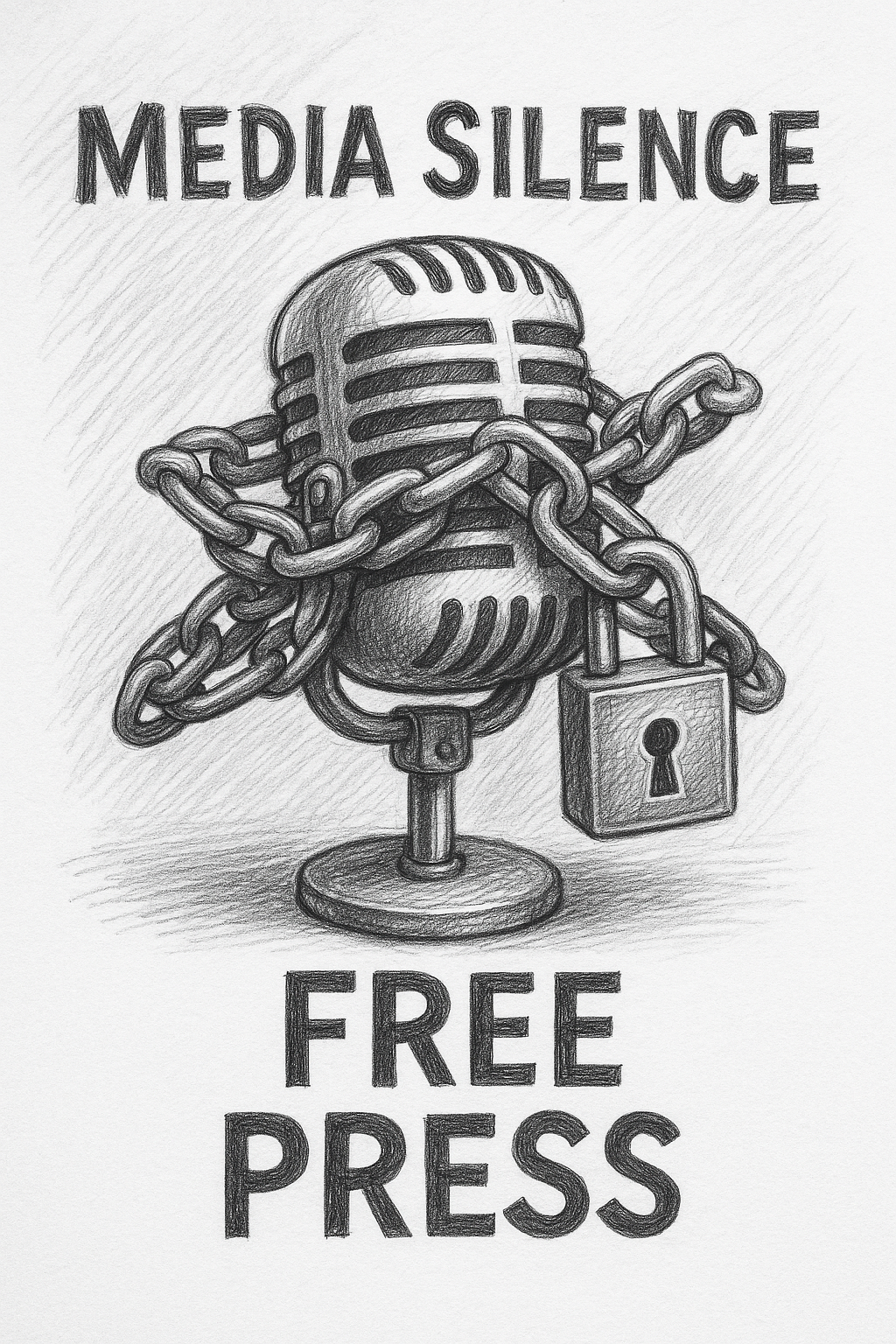
A noticeable and unusual quiet has spread across much of the American media landscape. As President Donald Trump promotes a 28-point “peace plan” that would effectively require Ukraine to surrender territory to Vladimir Putin, the level of scrutiny from major U.S. outlets has been surprisingly restrained.
The plan was developed without consultation with Ukraine, and without meaningful engagement with NATO allies. In any previous era, such a move would have triggered an intense national debate. Yet today, it has received only modest coverage and minimal critical analysis.
This silence is not just curious — it is consequential.
Europe certainly understands the stakes. Leaders in France, Germany, Poland, and the Baltic states have spoken openly about their concern that U.S. policy may be shifting away from its post-World War II role as the anchor of democratic security. France’s junior defense minister warned that Europe must prepare to defend itself in “a world of carnivores.” These remarks reflect genuine anxiety that the transatlantic bond is weakening.
That these warnings received limited attention in the American press is telling. Some news organizations appear cautious about challenging Trump directly. Years of political attacks, legal threats, and audience polarization have created an environment where many outlets proceed carefully, sometimes too carefully, even when major geopolitical issues are at stake.
But a free press plays a vital role in democratic life.
Its purpose is not to avoid discomfort, but to illuminate it.
When a leading U.S. political figure proposes terms that would reward military aggression, the media has a responsibility to examine the implications fully and openly. When America’s closest allies express deep concern about U.S. reliability, the public deserves to understand why.
Democracy rarely collapses suddenly. It weakens gradually — when vigilance fades, when essential questions are not asked, and when institutions hesitate to speak plainly.
If the U.S. media grows too cautious to defend core democratic principles abroad, it may one day struggle to defend them at home. And by then, the consequences may be far more difficult to reverse.
A strong democracy requires a confident, unafraid press. The moment to demonstrate that confidence is now.
