HERE IS THE LATEST
- Talks between Oman and Iran on reopening the Strait of Hormuz and their respective territorial waterways have made progress, two regional sources told CBS News.
- The Iranian military said it halted retaliatory attacks against U.S. allies in the Middle East after Washington paused its strikes on Iran for the last two nights. That pause followed 13 consecutive nights of strikes by the U.S.
- A CBS News poll found feelings of uncertainty about the Iran conflict, with most respondents saying it’s more difficult than President Trump expected.
Iran’s Revolutionary Guard turns back 6 ships in Strait of Hormuz, state TV says
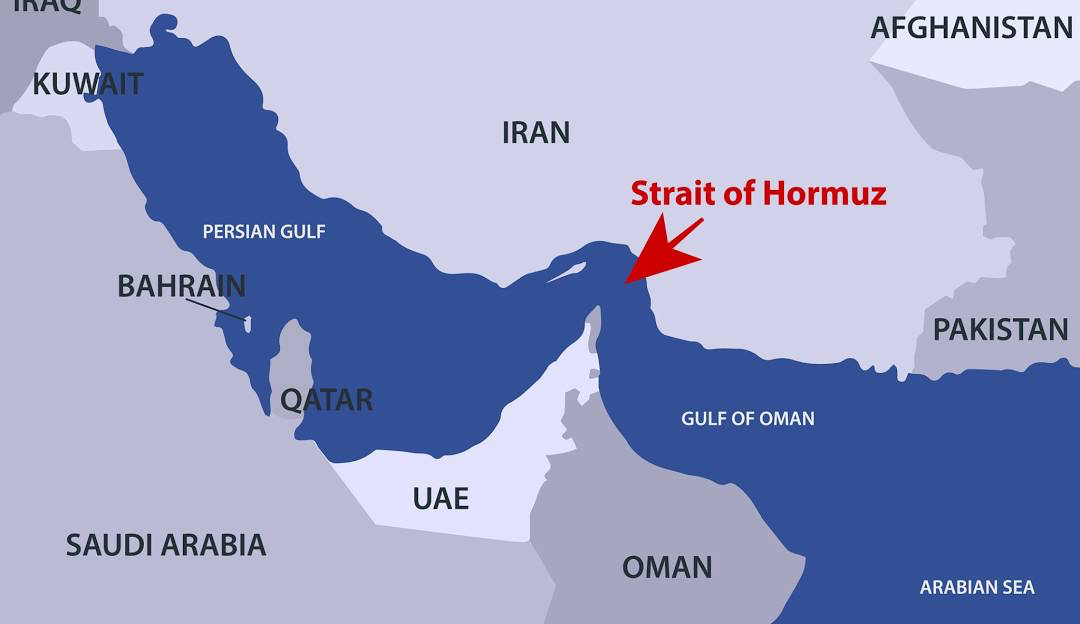
Iran’s Revolutionary Guard’s navy stopped six vessels trying to transit the Strait of Hormuz through routes not approved by Iranian authorities, state television reported on Monday.
“Last night, six vessels that attempted to transit through a route other than the designated one were stopped by the IRGC Navy with warning shots and turned back,” a state television correspondent reported from the Gulf.
Earlier, state TV had said one was involved in an “incident,” without elaborating.
On Saturday, the Guards said they’d stopped four vessels that were trying to transit through the southern part of the strait after firing warning shots.
Iran has effectively blockaded the Strait of Hormuz since the start of the Middle East war in late February.
Oil prices fall further from two-month high set last week
Oil prices eased in early trading Sunday, falling further from a two-month high set last week, after the United States and Iran refrained from launching military strikes in the Persian Gulf for a second straight day.
The price for a barrel of Brent crude oil to be delivered in September dropped 4.9% to $92.02 shortly after trading resumed. The decline followed a 3.9% drop on Friday.
Brent crude, the international standard, briefly hit $102 a barrel last week. That was $30 more than the most actively traded contract in the Brent market was going for early in the month, and the highest it had been since May.
Oil prices surged this month because of increased fighting in the Middle East and worries that a return to all-out war would further slow the global flow of crude.
Strait of Hormuz’s status remains unchanged, Iranian official says
Iran’s Foreign Ministry spokesperson, Esmail Baghaei, said on Sunday that the Strait of Hormuz’s status remains unchanged, as Iranian and Omani officials continued talks to manage the safe transit of ships through the waterway that passes between both countries.
Baghaei said the talks had made progress. They took place after Tehran asserted
that its interim deal with the U.S. allows it to manage shipping in the strait for now, and objected to U.S. efforts to support a route through the strait that passes close to Oman instead. The strait was considered an international waterway before the war.
The U.S. military on Saturday said its recently reimposed naval blockade against Iran continued, with a dozen commercial ships redirected, two disabled and two boarded. U.S. forces “remain highly vigilant, focused, lethal, and ready,” it added.
Israeli Prime Minister Benjamin Netanyahu said Sunday on Fox News’ “Sunday Morning Futures” that he supports Mr. Trump’s pressure on Iran to end its nuclear program. During his upcoming visit to Washington, Netanyahu suggested he wouldn’t share new intelligence with Mr. Trump and instead listen to “what he has in mind, because I think in many ways, it’s his decision.”
CBS
