A strategic chokepoint is under coercion—and Europe’s response will define its global role. This is not a diplomatic crisis
By : The Editorial Board, Opinion
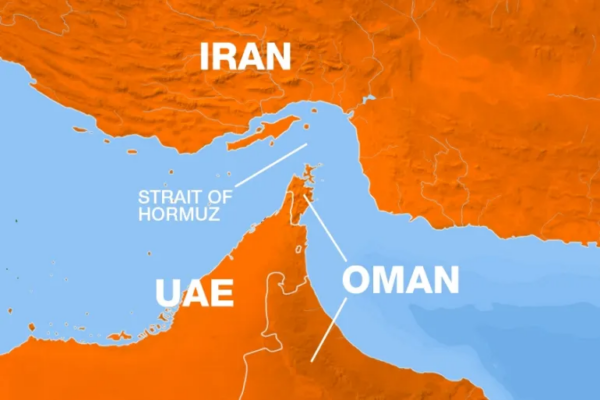
The Strait of Hormuz is no longer just a waterway. It is a test of power, credibility, and strategic clarity. When Iranian forces harass and fire upon commercial vessels, they are not merely disrupting traffic—they are asserting control over one of the world’s most vital arteries.
Europe’s response so far has been predictable—and dangerously insufficient.
When Kaja Kallas calls on Iran to respect international law, she is articulating a principle. But in Hormuz today, principles without enforcement carry no weight. They invite defiance.
This is not a diplomatic crisis. It is a coercive strategy—and it requires a strategic response.
The Illusion of Diplomacy Without Power
Europe continues to rely on negotiation, de-escalation, and legal appeals. These tools matter—but only when backed by credible force.
Iran understands this dynamic well. It has built its regional posture on testing limits incrementally—probing, harassing, escalating—while calculating that its adversaries will hesitate to respond decisively.
So far, that calculation is holding.
Mixed signals from Western leaders reinforce it. Keir Starmer pledges maritime protection while insisting Britain will not be “dragged” into conflict. Donald Trump criticizes NATO and signals reluctance to coordinate allied action.
To Tehran, this is not nuance. It is opportunity.
Hormuz: Europe’s Lifeline
Europe faces a reality it has long avoided:
It needs Hormuz far more than the United States does.
A significant share of Europe’s energy flows through this narrow passage. Disruption means immediate consequences—rising prices, strained industries, and political pressure at home. Yet Europe still behaves as though securing this lifeline is someone else’s responsibility.
That era is over.
In 1987, during Operation Earnest Will, tankers did not move because of diplomatic appeals. They moved because they were protected—by force, if necessary.
Today, Europe invokes international law while avoiding the responsibility that gives law meaning: enforcement.
What Reopening Hormuz Actually Requires
Reopening Hormuz is not a matter of statements. It demands action grounded in three realities:
First, credible naval power.
A European-led coalition must escort commercial shipping with clear rules of engagement. Presence alone is not deterrence—willingness to act is.
Second, unified political will.
Iran thrives on division. Conflicting messages from European capitals only lower the cost of escalation.
Third, strategic ownership.
Europe must transition from a consumer of security to a provider of it. Dependence invites vulnerability.
A Moment of Strategic Truth
Iran is testing limits—but Europe is revealing them.
If Europe continues to rely on words without action, it will establish a precedent far beyond the Gulf: that critical global routes can be coerced, disrupted, and effectively controlled without meaningful resistance.
That is not just a regional risk. It is a systemic one.
Hormuz will not reopen because Europe asks.
It will reopen when Europe proves it can enforce it.
