This Is an Emergency. Delay Is Reckless. Inaction Is Unforgivable
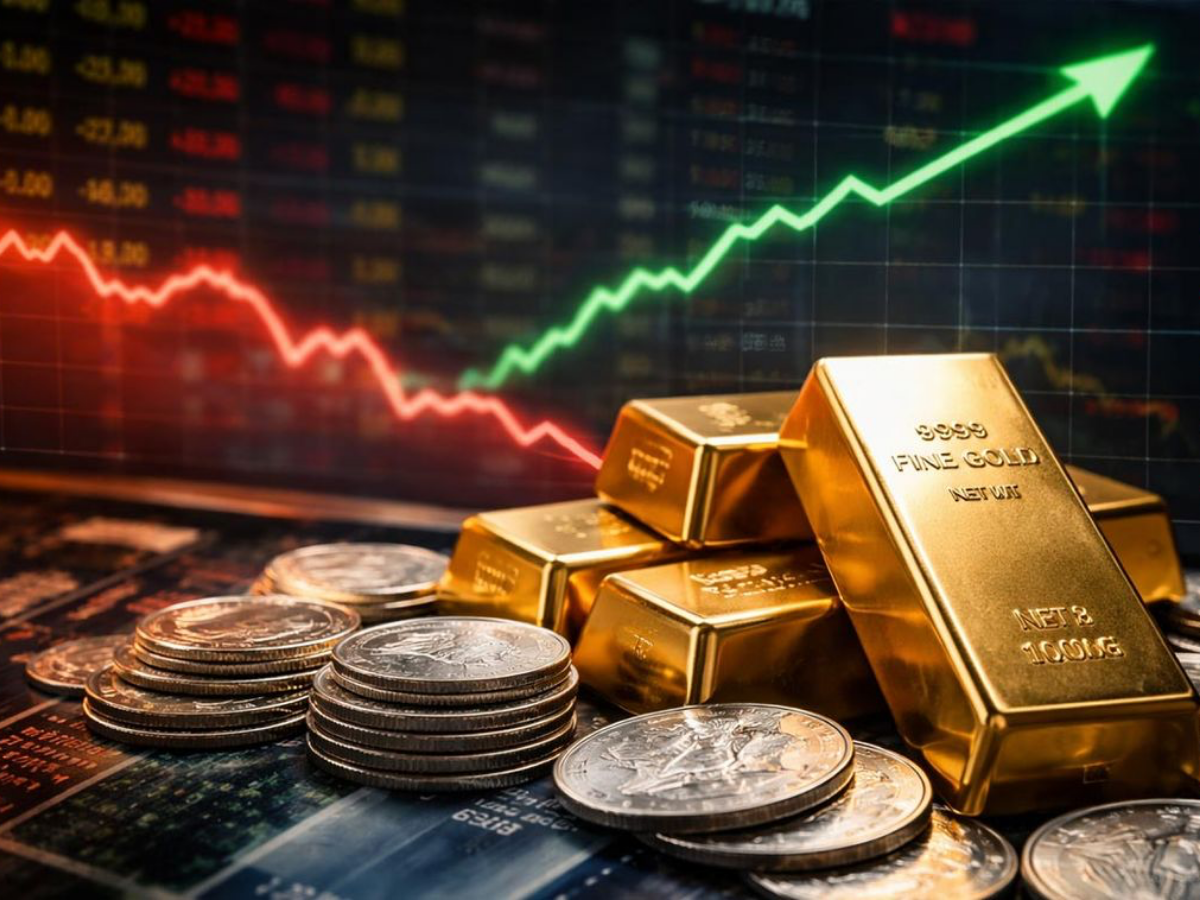
Photo – Trump’s 15% global tariff increase resulted in complete confusion and uncertainty . Dow dropped 771.92 points (1.56) to 48,854.05, Nasdaq fell 326.07 (1.42) to 22,560.79 and S&P 500 declined 79.72 (1.15) to 6,829.79. Gold rose more than 2% to break out to about $5,200 as a haven
By : Ya Libnan Editorial Board, Opinion
The United States is sliding toward a self-inflicted economic crisis, and the warning signs are flashing red. History leaves no room for doubt: tariffs do not work for America. They never have. The Great Depression was made catastrophically worse by tariff wars, collapsing trade, and shattered confidence. Yet President Trump is repeating the same mistake—only faster, broader, and with far higher stakes.
Trump’s decision to reimpose tariffs worldwide is not a measured economic policy. It is an act of escalation—designed to project power, not to protect the economy. After the U.S. Supreme Court struck down large portions of his earlier emergency tariff actions, the president did not recalibrate. He doubled down.
Tariffs have become the centerpiece of his second-term economic posture. He openly boasts that “tariff” is the most beautiful word in the English dictionary. But for American families, manufacturers, farmers, and investors, tariffs translate into higher prices, frozen investment, disrupted supply chains, and lost jobs.
What makes this moment especially dangerous is the legal improvisation behind it. Trade experts note that no president in nearly fifty years had ever used Section 122 of the Trade Act of 1974 to impose sweeping tariffs on most imports. The law was written for short-term, narrowly defined balance-of-payments emergencies—not as a weapon to upend the global trading system. It allows tariffs of up to 15% for only 150 days. That limit exists for a reason: prolonged tariff shocks destabilize the economy.
Markets are now reacting—not to ideology, but to chaos.
On Monday, U.S. stock markets plunged as investors confronted the growing uncertainty created by Trump’s tariff whiplash. Businesses cannot plan when trade rules change overnight. Capital does not invest when policy is unpredictable. Confidence—once lost—does not return quickly.
This is exactly how downturns begin: not with a single dramatic collapse, but with policy-driven uncertainty that spreads fear through markets, boardrooms, and households.
Congress cannot remain a bystander. This blunder cannot be allowed to continue. Tariffs are taxes paid by Americans, not by foreign governments. Every day this policy remains unchecked, it inflicts more damage on consumers, workers, and U.S. credibility.
Waiting for “150 days” to expire is reckless. Waiting for the next market crash is irresponsible. Waiting for history to repeat itself is unforgivable.
Congress must act now—to reassert its constitutional authority over trade, to stop the abuse of emergency powers, and to prevent a policy mistake from turning into a full-blown economic disaster.
This is the moment to intervene. Delay will only make the cost higher—and the consequences far harder to reverse.
