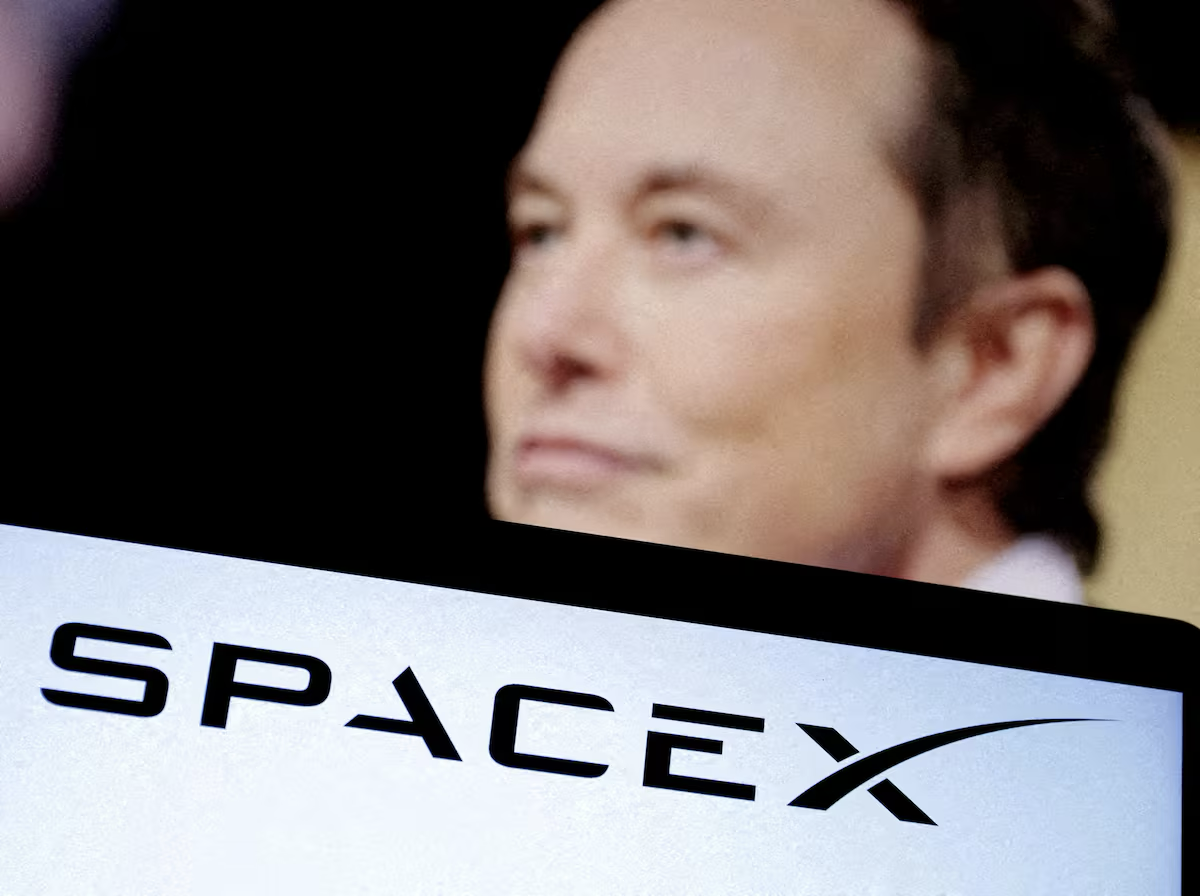
Elon Musk said on Sunday that SpaceX has shifted its priority to building a “self‑growing city” on the Moon, which he said could be achieved in less than 10 years.
While SpaceX’s ultimate goal remains a city on Mars, recent reports indicate a prioritization of the Moon due to investor interest and its role as a testing ground, although the project faces delays potentially pushing a human landing to late 2028. Read the full analysis at POLITICO
Key Details on the Moon Project:
- Strategy: SpaceX intends to land multiple Starships to serve as a base, utilizing them as permanent structures.
- Challenges & Delays: While aiming for a 2027 lunar landing,, internal documents suggested delays and potential competition, with NASA exploring alternative landing systems.
- Infrastructure: The long-term goal is to build a city, with plans potentially involving turning lunar soil into building materials, as explored in YouTube video.
- Environmental Approval: POLITICO Pro reported on February 3, 2026, that the FAA issued a final environmental approval for Starship launches from Kennedy Space Center, a key step for lunar missions.
Technical & Engineering Hurdles
- Orbital Refueling: A Starship bound for the Moon requires unprecedented “tanker” flights to refuel in Low Earth Orbit (LEO). This complex process, never before performed at this scale, is essential for providing enough propellant to reach the lunar surface.
- Thermal Management & Power: The Moon cycles between extreme temperatures (-248°F to 253°F). Infrastructure must withstand deep-freeze lunar nights that last 14 Earth days, requiring advanced energy storage (batteries or fuel cells) or nuclear power options.
- Radiation Protection: Without a thick atmosphere or magnetic field, lunar inhabitants face constant exposure to cosmic rays and solar flares. Habitats must be heavily shielded or built into craters/lava tubes to prevent “bit flips” in electronics and health risks to humans.
- Lunar Dust (Regolith): Lunar regolith is abrasive, toxic, and sticks to suits and equipment, causing severe wear on seals and machinery
- .
- Logistical & Resource Challenges
- Resource Scarcity: Unlike Mars, the Moon lacks carbon, a critical element for producing fuel on-site. While water ice exists in shadowed craters for oxygen and hydrogen, mining it in a zero-experience environment is a massive operational risk.
- Transportation Costs: Moving materials from Earth is extremely expensive, estimated at over $900,000 per ton as of early 2026. A self-sustaining city requires massive “payload capacity” that Starship is still working to maximize.
Regulatory & Economic Obstacles
- Regulatory Uncertainty: Currently, there is no established international or U.S. regulatory framework for approving private, permanent settlements outside Earth’s orbit.
- Funding & Competition: While NASA has paid SpaceX approximately $2.7 billion for the Human Landing System (HLS), SpaceX claims it has self-funded over 90% of the program, exceeding $30 billion in total spending. Additionally, NASA officials have recently called for more competition from rivals like Blue Origin to ensure mission timelines are met.
- Mission Delays: Technical setbacks, including Starship performance shortfalls and refueling leaks, have pushed the first uncrewed landing goal to March 2027, with crewed landings potentially delayed to 2028 or later.
- Ya Libnan /News Agencies
