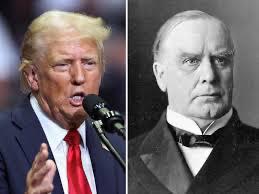
Trump has often invoked McKinley as a model, emphasizing his legacy as a “tariff president.” In the 1890s, McKinley promoted the McKinley Tariff of 1890, which imposed high duties on imported goods. Trump’s admiration for McKinley is partly based on the economic conditions of that era, which he sees as an age of American wealth fueled by tariff revenue. Yet Trump’s narrative omits a critical part of McKinley’s economic journey: his eventual recognition that free trade and international partnerships would be vital for the nation’s prosperity in a new global economy.
President Donald Trump built his political brand on one promise above all others: that he alone could manage the economy. Today, that claim is unraveling. According to a new Associated Press–NORC survey, Trump’s approval rating on the economy has fallen to 31%, the lowest of both his presidential terms.
This collapse should surprise no one.
Tariffs are not a modern solution. They are one of the oldest—and most thoroughly discredited—tools in American economic history. At the turn of the 20th century, during President William McKinley’s era, high protective tariffs distorted markets, raised consumer prices, and hurt American households more than foreign competitors. Even McKinley himself later recognized their limits.
The lesson was reinforced with devastating clarity in the 1930s. The Smoot-Hawley Tariff Act, passed as the Great Depression began, triggered retaliation from U.S. trading partners, collapsed global trade, and deepened economic misery at home and abroad. What was sold as protection for American workers instead destroyed jobs and prolonged suffering.
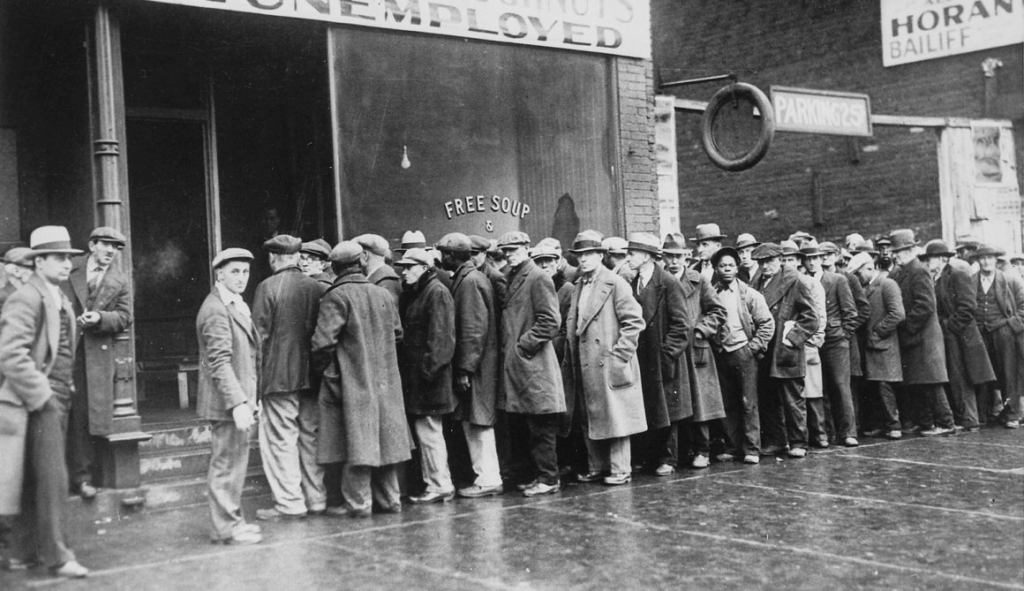
Yet President Trump has chosen to ignore these lessons. His tariff-first approach functions as a hidden tax on Americans. Prices rise at grocery stores, car dealerships, and construction sites. Businesses face higher input costs, disrupted supply chains, and reduced competitiveness. Investment slows. Inflation persists.
Economists across the political spectrum agree on one point: tariffs are paid by consumers, not foreign governments. Trade wars are easy to start and extraordinarily difficult to win. The economic damage is real, measurable, and unavoidable.
Americans are not confused about what is happening. They feel it every time they shop, pay bills, or watch markets swing on policy uncertainty. That is why voters are now giving Trump failing grades on the economy.
History issued clear warnings. The president ignored them. The 31% approval rating is not a mystery—it is a verdict.
