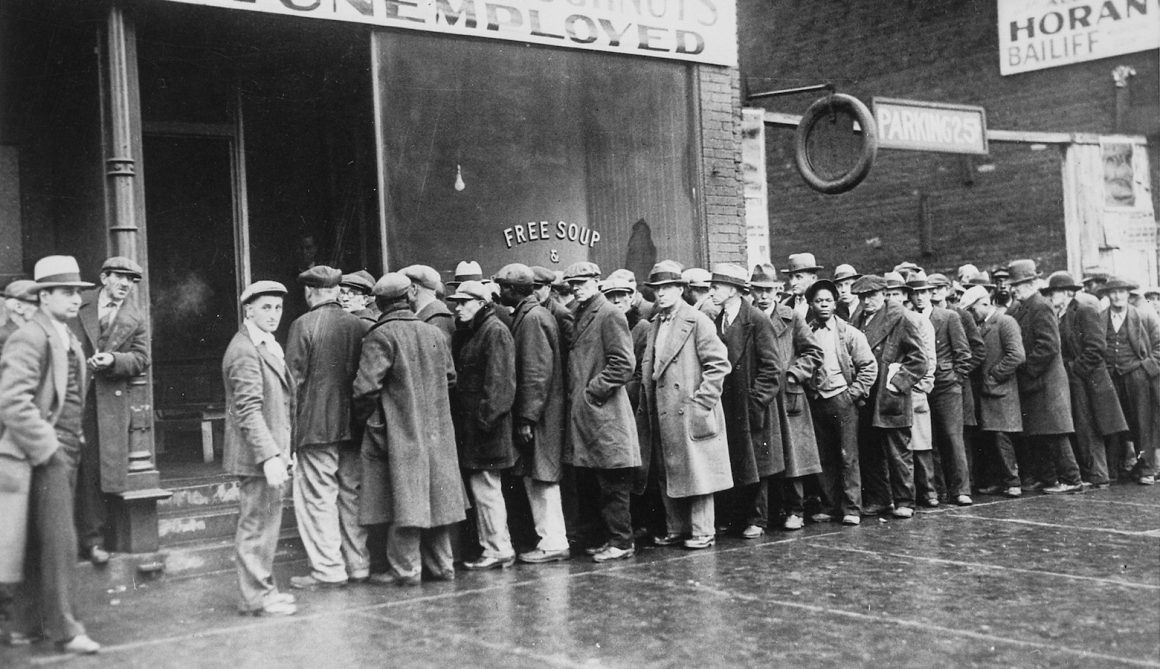
The 1930s Depression, formally known as the Great Depression, was a devastating global economic downturn that began with the stock market crash in October 1929 and lasted for a decade, though recovery didn’t fully complete until the start of World War II. Section 338 of the Smoot-Hawley Tariff Act of 1930 that President Trump is eying as plan B triggered the depression
Reviving Depression-era powers would wreck supply chains, drive up prices, and risk plunging America into a new economic crisis
By Ya Libnan Editorial Board, Op-ED
President Donald Trump’s tariff crusade is already on shaky legal ground. Two federal courts have ruled he misused the International Emergency Economic Powers Act (IEEPA) to justify sweeping tariffs on China, Canada, Mexico, and other partners. The appeals are heading toward the Supreme Court. If the Court rules against him, most of Trump’s tariffs could collapse overnight.
That should be the end of the story. But Trump’s team is signaling something far worse: a “Plan B.”
A Dangerous Fallback
Treasury Secretary Scott Bessent recently revealed that the administration could fall back on Section 338 of the Smoot-Hawley Tariff Act of 1930—a law infamous for worsening the Great Depression. Section 338 lets the president impose tariffs of up to 50% for five months on countries that “discriminate” against U.S. commerce.
This is not a safety net—it’s a loaded gun pointed at the American economy. Smoot-Hawley helped trigger a collapse in global trade, a decade of unemployment, and worldwide economic pain. Reviving it now would invite retaliation, drive up consumer prices, and risk plunging the U.S. into recession.
False Justifications
The administration insists these tariffs are needed to fix trade imbalances and curb fentanyl. But trade deficits aren’t proof of unfairness—they reflect deeper economic factors like investment flows and savings rates. And fighting fentanyl requires policing and health measures, not tariffs that punish American families with higher prices at the checkout line.
Why Plan B Must Be Rejected
If Trump pulls this trigger, America will face:
- Counter-tariffs from allies and rivals alike, hammering U.S. exporters.
- Price hikes on food, cars, and electronics.
- Supply chain chaos in critical industries.
- A recession risk that could echo the 1930s.
The Smarter Path
America needs tough, smart trade policies—but not Depression-era relics. The real solutions lie in working with allies, investing in domestic industries, and targeting genuine unfair practices like subsidies and theft of intellectual property.
America has been down this road before. Smoot-Hawley tariffs helped trigger the Great Depression, and the cost was counted in lost jobs, shattered industries, and global instability. We cannot afford to repeat that mistake. Trump’s “Plan B” on tariffs doesn’t just spell catastrophe—it invites it. The Supreme Court has a chance to stop him. Let’s keep America out of trouble and on the path to smart, fair, and forward-looking trade.
