Trump Is Burning Bridges With Allies, Not Making America Great Again
By Vlad Green, Op-Ed
History has a way of repeating itself—especially when its painful lessons are ignored.
Today, President Donald Trump is once again using tariffs as a weapon, punishing nations for political disagreements and attempting to strong-arm trade concessions with threats instead of negotiations. His approach may resonate with a narrow base at home, but it is fracturing long-standing alliances abroad and putting America’s global leadership at risk. As he wraps himself in the flag of economic nationalism, Trump forgets—or ignores—that tariffs have consistently backfired throughout American history.
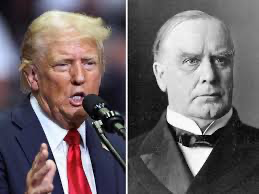
President Trump has often invoked former president William McKinley as a model, emphasizing his legacy as a “tariff president ” In the 1890s, McKinley promoted the McKinley Tariff of 1890, which imposed high duties on imported goods. Trump omits a critical part of McKinley’s economic journey: His eventual recognition that free trade and international partnerships would be vital for the nation’s prosperity in a new global economy.
One of the first cautionary tales comes from President William McKinley, a staunch protectionist who, in the 1890s, championed high tariffs as a tool to shield American industries. But as the economic and diplomatic backlash grew, McKinley began to regret his position. Before his assassination in 1901, he had changed course, calling for greater international cooperation and freer trade, recognizing that economic isolationism would only harm American prosperity.
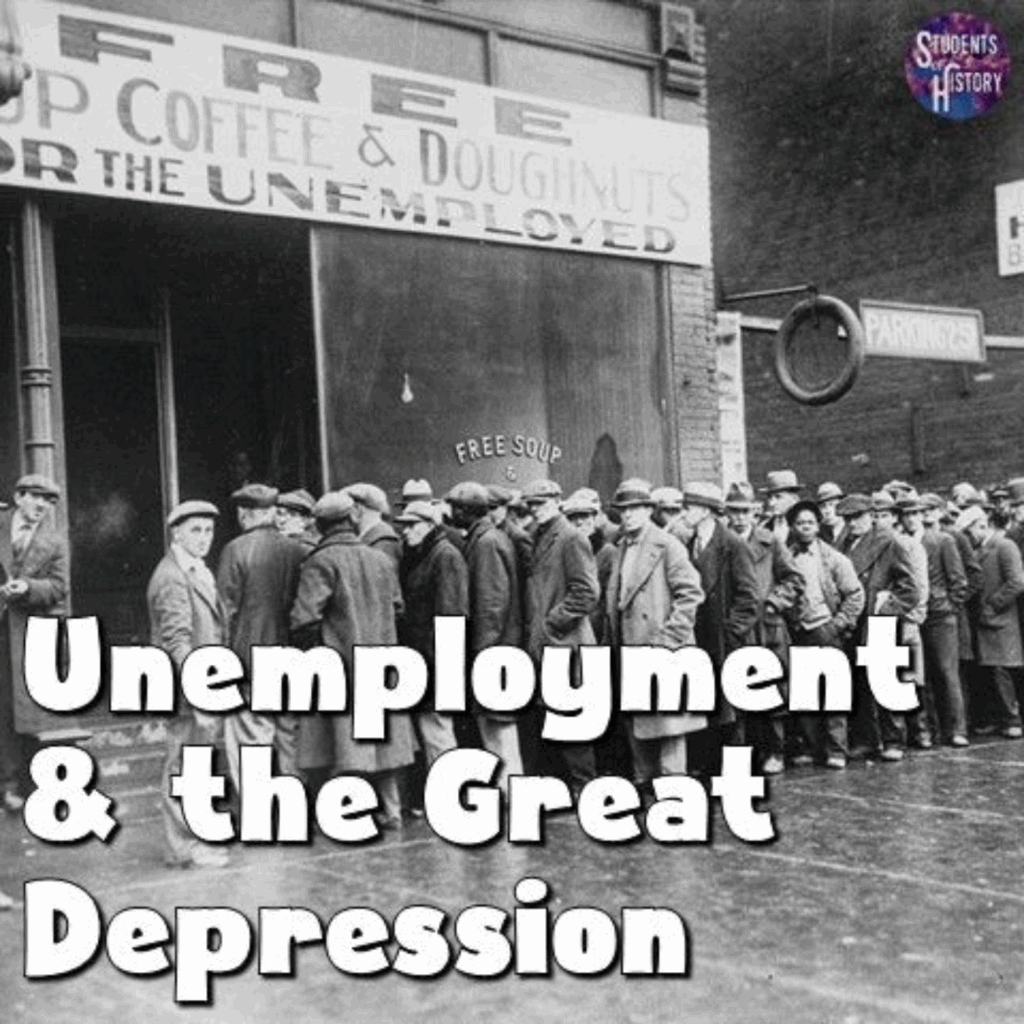
McKinley’s lesson went unheeded three decades later when the Smoot-Hawley Tariff Act of 1930 plunged the world into economic chaos. Enacted just months after the 1929 stock market crash, the tariffs raised duties on over 20,000 imported goods and prompted retaliatory measures from U.S. trading partners. Instead of protecting American jobs, it worsened the Great Depression, slashed global trade, and deepened the suffering of millions.
Fast forward to today, and we’re seeing history dangerously echo itself.
President Trump has turned tariffs into tools of intimidation. With no coherent trade strategy, he threatens Mexico one day, slaps tariffs on Europe the next, and targets Canada—America’s closest neighbor and trusted ally—as if it were a rival state. He boasts about “winning” trade wars, but the reality is rising costs for American consumers, unstable global markets, and fraying relationships with the very nations that stood by the U.S. through thick and thin.
It’s not just the economic consequences that are alarming. Trump’s brand of economic nationalism is wrapped in authoritarian tactics. He surrounds himself with loyalists, fires anyone who questions his decisions, and demands obedience over debate. This is not how a democracy operates. This is not how a civilized world leader behaves. Instead, America under Trump increasingly resembles a transactional bully, not a principled partner.
The irony is that Trump claims to be making America great again—yet he is isolating it from the very world order it once led and helped build. From NATO to the World Trade Organization, America’s credibility is shrinking as allies question whether they can count on Washington. What started as a promise to bring back manufacturing jobs is morphing into a full-blown foreign policy disaster.
The tragedy is avoidable.
America doesn’t need to abandon its economic interests to remain a global leader. But it must stop using tariffs as threats and allies as bargaining chips. It must return to smart diplomacy, to building coalitions rather than burning bridges, and to leading not through fear, but by example.
The world is watching. And history is watching too.
The question is not just what Trump will do next—but what price America will ultimately pay for choosing confrontation over cooperation.
