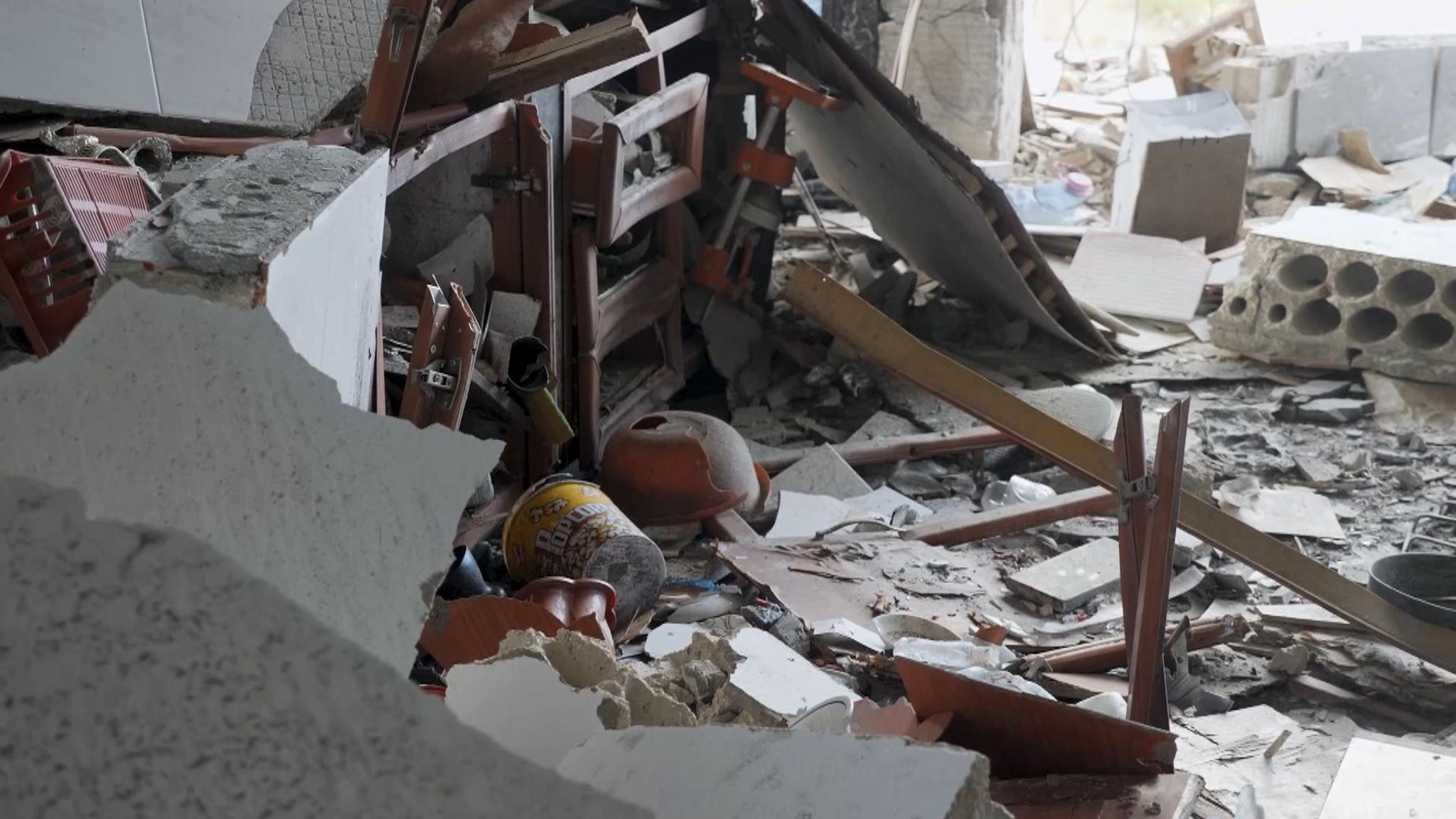
Aalma al-Shaab in southern Lebanon was situated in the warzone as militant factions like Iran-backed Hezbollah, as well as fighters belonging to groups like Hamas and Islamic Jihad, launched munitions over the border into Israel.
The Lebanese army has started permitting residents of the southern villages of Aalma al-Shaab, Naqoura, Chamaa, and Biyyadah to return to their villages and inspect their homes.
The ceasefire agreement may be extended
The ceasefire agreement that paused the war between Israel and the Hezbollah militia in Lebanon will likely be extended when it expires next week, according to several people familiar with the matter.
The Iran-backed group and the Israelis are unlikely to resume full-scale fighting despite needing more time to implement the original terms of the truce, which started in late November, according to Lebanese, Israeli and French government officials involved in ongoing talks.
The French- and US-backed deal, which halted a conflict that killed thousands of people and worsened tensions between Iran and Israel, gave Israeli troops 60 days to pull out of southern Lebanese villages. Hezbollah was required to withdraw north of the Litani River, with the Lebanese army replacing them.
The pact was followed last week by Israel and Hamas, another Islamist militia sponsored by Iran, agreeing to pause their war in Gaza.
While the Lebanon truce has broadly held since November, Hezbollah and Israel have accused each other of breaking the terms.
Israeli forces are still in at least half the villages they occupied, according to the country’s officials. Israel has kept up lethal strikes to counter what it describes as Hezbollah’s attempts to regroup or rearm in the south, and in retaliation for mortar attacks.
Negotiations between the parties have been taking place on extending the Jan. 27 deadline to ensure the conflict isn’t resumed, according to a senior Israeli diplomat. French officials and a person familiar with the discussions in Lebanon said the truce will be lengthened to allow more time for Lebanese soldiers to deploy and Hezbollah to clear out to the north of the Litani, about 30 kilometers (19 miles) from the border.
All of the officials asked not to be named, reflecting the sensitivity around the indirect diplomacy between Israel and Hezbollah, which like Hamas is designated a terrorist organization by the US. In addition, Israel and Lebanon have no diplomatic relations and can’t negotiate without mediators.
The fighting between Israel and Hezbollah caused extensive damage to both economies. Israeli assets — including the shekel and government bonds — rallied significantly in the run up to the ceasefire, while Lebanon’s defaulted dollar bonds have surged since then, a time when the country also elected its first president since 2022. The debt remains in distressed territory.
“We want the successful implementation of the ceasefire agreement,” Israeli Foreign Minister Gideon Saar told reporters on Monday alongside Antonio Tajani, his counterpart from Italy, which contributes forces to the United Nations’ peacekeeping operation in southern Lebanon.
Saar said more territory would be ceded to the Lebanese army soon, but that any wider Israeli pullout was conditional on Hezbollah first leaving the south.
“They breached the agreement, and we still have Hezbollah terrorists south of the Litani River,” he said. “We will enforce when we will see violations of the agreement, and we will stand on our security demand.”
Lebanon has repeatedly said it is committed to the ceasefire deal. Hezbollah leader Naim Qasem has urged the Lebanese state to address repeated Israeli violations.
Newly eleted president Joseph Aoun said during his swearing-in ceremony, that the Lebanese state was the only entity allowed to bear arms in the country. Earlier this week he demanded that Isarel should completely withdraw from Lebanon by January 27 as stipulated the the ceasefire deal
LBC/ Bloomberg/ Yahoo
