Genghis Khan conquered the world through fear, yet his empire vanished. Christ conquered hearts without armies, and his message still shapes humanity. The Middle East must decide which path it will follow.
By Ya Libnan, Op.Ed
Israeli Prime Minister Benjamin Netanyahu has sparked global controversy by invoking Jesus Christ and Genghis Khan during the ongoing war with Iran. His argument—drawn from historian Will Durant—was stark: morality alone does not guarantee survival; only power does.
At one level, this is a classic realist argument. Nations must be strong or risk being destroyed by ruthless enemies. But taken further—as Netanyahu’s framing suggests—it becomes something far more troubling: a justification for adopting the very logic of those one seeks to defeat.
And that is where the danger lies.
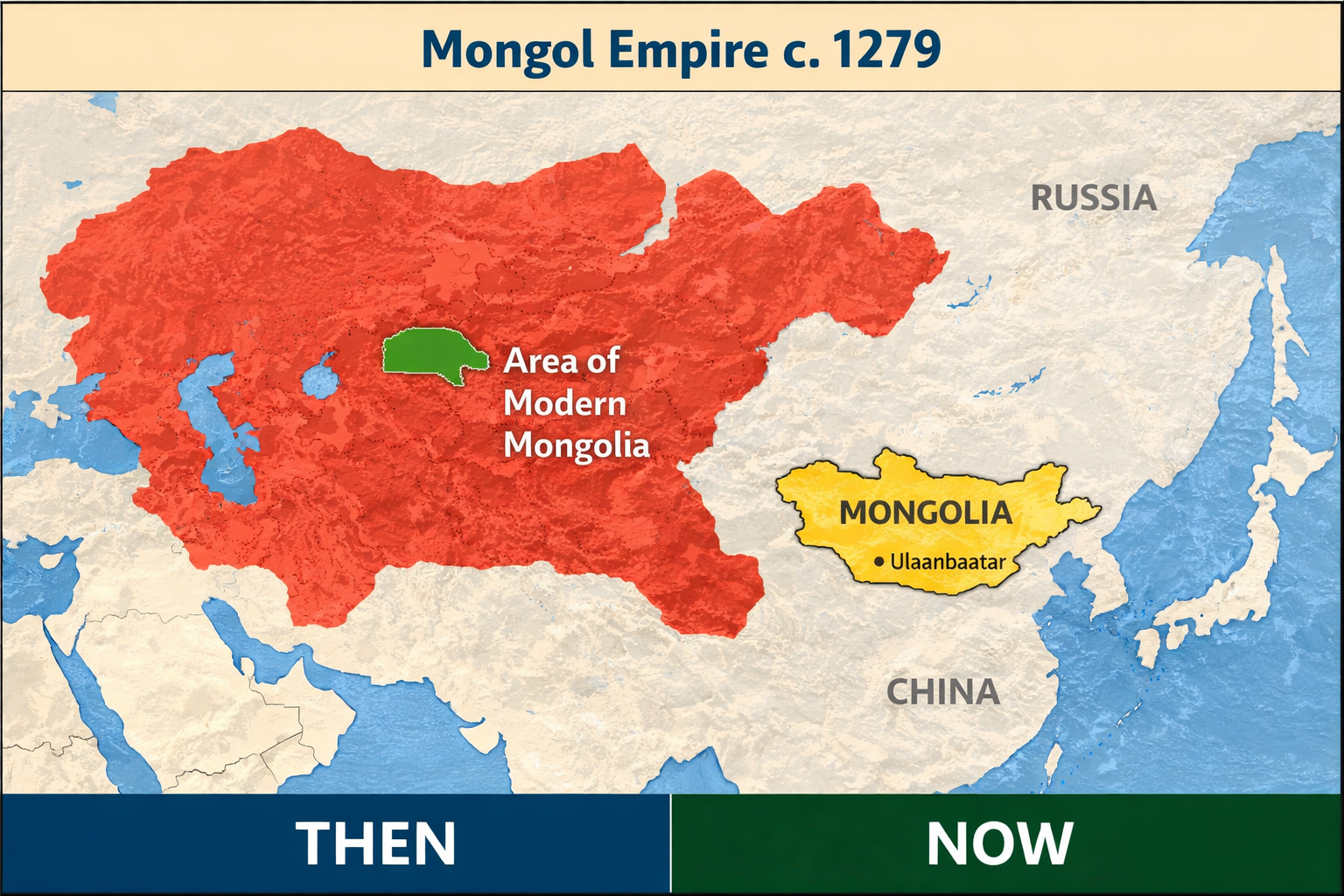
By elevating Genghis Khan as a model of effectiveness, Netanyahu risks embracing a doctrine rooted in fear, domination, and unrestrained force. History shows that such power can conquer—but it cannot sustain. The Mongol Empire rose rapidly through terror and military brilliance, only to fragment and collapse under its own weight.
But there is an even deeper contradiction—one that speaks directly to today’s Middle East.
For decades, Iran’s clerical regime has pursued regional influence through a network of armed proxies—Hezbollah in Lebanon, Houthis in Yemen, and militias across Iraq. This strategy has relied not on moral persuasion, but on force, intimidation, and ideological expansion—what many in the region see as a modern form of power projection through fear.
Ironically, by suggesting that survival requires ruthlessness above all else, Netanyahu risks validating the very model he opposes.
If the answer to Iran’s strategy is to mirror its logic—escalate force, expand conflict, and prioritize domination over diplomacy—then the region is not escaping a cycle of violence; it is deepening it.
History warns us where this leads.
Empires built primarily on fear may rise quickly, but they rarely create lasting stability. They provoke resistance, fuel endless conflict, and ultimately collapse under the pressure of their own contradictions. The Middle East, already burdened by decades of war, cannot afford to follow that path.
In contrast, Jesus Christ represents a different kind of power—one rooted not in coercion, but in moral authority. His message spread not through conquest, but through conviction. It endured because it spoke to something deeper than fear: the human desire for justice, dignity, and peace.
This is not an argument for weakness. Nations have the right—and the obligation—to defend themselves. Israel’s security concerns are real, and no responsible leader can ignore them.
But there is a critical line between defense and doctrine.
When leaders begin to argue that morality must give way to ruthlessness, they risk losing not only the moral high ground, but also the long-term strategic advantage. Because in the end, wars are not won by force alone—they are won by legitimacy, alliances, and the ability to build a future others are willing to accept.
The Middle East today stands at a crossroads. It can continue down a path where power is measured by destruction and dominance. Or it can pursue a more difficult but ultimately more sustainable course—one where strength is guided by restraint, and security is built alongside justice.
Netanyahu’s remarks were meant as a warning about the dangers of weakness. But they may ultimately reveal a greater danger: the temptation to become what one is fighting against.
Genghis Khan conquered the world through fear, yet his empire vanished. Christ conquered hearts without armies, and his message still shapes humanity. The Middle East must decide which path it will follow.
