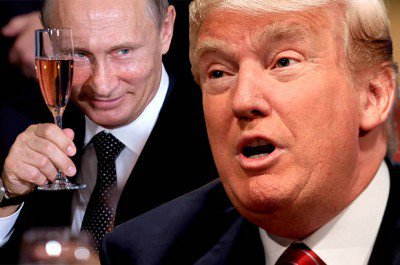
File: President Donald Trump and Russia’s Vladimir Putin in Helsinki, Finland 2018
In trying to punish Iran, Washington may have accidentally rescued Putin’s economy — while risking damage to the American and global economies.”
By Vlad Green, Op.Ed
Donald Trump dismissed reports that Russia has been providing Iran with intelligence to help Tehran target U.S. military personnel and assets in the Middle East, even as the week-old war continues to escalate.
The reports suggest Moscow has shared battlespace intelligence with Iran — a move that, if confirmed, would directly endanger American troops and regional allies. Yet instead of condemning the Kremlin, Trump chose to downplay the significance of Russia’s actions.
The timing could not be worse.
Just days earlier, the U.S. Treasury Department quietly announced that India would be allowed to continue purchasing Russian crude oil and petroleum products for another month, until April 4. The temporary exemption effectively gives Moscow a financial lifeline at a moment when its economy is strained by sanctions and the enormous cost of its war in Ukraine.
The decision immediately triggered bipartisan criticism in Washington. Lawmakers from both parties warned that the exemption undermines the very sanctions designed to weaken Russia’s ability to finance its war machine.
In effect, while Russia is suspected of helping Iran threaten American forces, the United States is simultaneously allowing one of the world’s largest energy consumers to continue sending billions of dollars to Moscow.
The contradictions do not end there.
At the same time that Trump has been pressuring Ukrainian President Volodymyr Zelensky to concede territory to Russia in order to appease Vladimir Putin, he has also asked Zelensky to help provide drone protection for U.S. allies in the Gulf who are under attack from Iran.
Ukraine is being asked to sacrifice its own territory to satisfy Russia, while simultaneously being asked to help defend America’s allies from a conflict fueled in part by Russia’s cooperation with Iran.
Meanwhile, Putin may ultimately emerge as one of the biggest winners from this poorly planned war.
Since the conflict began, oil prices have surged dramatically, rising more than 30 percent as fears grow that the fighting could disrupt shipping through the Strait of Hormuz — the narrow waterway through which roughly one-fifth of the world’s oil supply normally passes.
If the conflict continues to threaten tanker traffic through the Gulf, the world’s largest energy consumers — China and India — will be forced to look elsewhere to secure their supplies. The most obvious alternative is discounted Russian oil.
In other words, the longer this conflict drags on, the more money could flow into Moscow’s coffers, helping finance Putin’s war machine and strengthening the very adversary the West has spent years trying to weaken.
Such contradictions blur the line between adversary and partner.
Russia is waging war against a European democracy, potentially assisting Iran against American forces, and yet Washington continues to make decisions that ease pressure on Moscow.
History has shown repeatedly that poorly conceived wars often produce unintended winners.
If this trajectory continues, Vladimir Putin — not Washington, not Tehran — may end up being the real strategic beneficiary of this conflict.
And when a nation begins rewarding those who undermine its interests, it should not be surprised when its enemies grow stronger.
With friends like Putin, Donald Trump may not need enemies.
