The tariffs were illegal, unconstitutional, and paid for by American families
By: Ya Libnan Editorial Board, Opinion
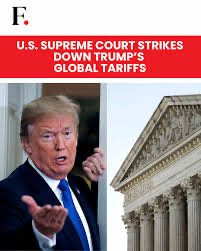
The U.S. Supreme Court finally made the right decision when it struck down a suite of President Trump’s tariffs on Friday, delivering a historic blow to an economic agenda that had quietly punished the very Americans it claimed to protect.
In a rare and decisive rebuke of executive overreach, the Court ruled 6–3 that many of the administration’s tariffs were illegal, drawing a clear constitutional line around how far a president can go without congressional approval. The decision reaffirmed a foundational principle: in the United States, presidents do not have the power to tax by decree.
The numbers tell the real story. Between January 20 and December 15, 2025, the federal government collected more than $200 billion in tariff revenue, with estimates reaching $216.7 billion for the fiscal year—nearly triple the $77 billion collected in 2024. That money did not come from China, Canada, or Europe. It came directly out of the pockets of American consumers.
Tariffs are taxes. They are paid by U.S. importers and inevitably passed on through higher prices at grocery stores, hardware stores, auto dealerships, and pharmacies. The hardest hit are seniors on fixed incomes, factory workers, truck drivers, veterans, farmers, and small business owners—the backbone of Trump’s electoral base.
Every tariff dollar collected is a dollar stripped from an American family’s purchasing power. Higher prices mean fewer groceries, delayed car repairs, postponed medical care, and shrinking savings. This is not economic strength. It is a silent pay cut.
History has warned us before. President William McKinley, long celebrated as the champion of protectionist tariffs, admitted shortly before his assassination that protectionism had been a mistake. The lesson was reinforced in the 1930s, when sweeping tariffs helped turn a recession into the Great Depression. Tariffs did not protect American workers then, and they will not protect them now.
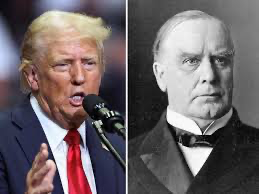
President Trump has often invoked President McKinley as a model, emphasizing his legacy as a “tariff president.” Yet Trump’s narrative omits a critical part of McKinley’s economic journey: his eventual recognition that free trade and international partnerships would be vital for the nation’s prosperity in a new global economy.
The global consequences are already visible. Since Trump’s return, confidence in U.S. economic leadership has weakened. The dollar’s appeal has declined while gold prices have surged—a clear signal that sovereign wealth funds and global investors are hedging against American policy unpredictability by moving away from U.S. Treasuries and into hard assets. When the world loses confidence in America’s economic judgment, Americans pay the price through higher borrowing costs and a weaker dollar.
The Constitution is unambiguous. The power to levy taxes belongs to Congress—not the executive branch. Lawmakers on Friday welcomed the Supreme Court’s ruling, noting that the American system of checks and balances still works when institutions have the courage to defend it.
This decision was not just a legal correction. It was a reminder that economic populism built on misinformation eventually collapses under the weight of reality—and that in the end, the American people should not be taxed in the name of policies that make their lives harder.
