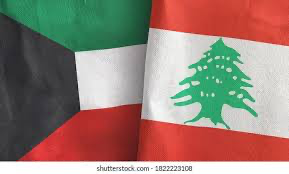
Kuwait added eight hospitals in Lebanon to its national sanctions list, a move taken under measures implementing United Nations Security Council resolutions issued under Chapter VII, which relate to counterterrorism and the prevention of the proliferation of weapons of mass destruction.
The decision was issued by Kuwait’s committee responsible for enforcing UN Security Council resolutions, and applies to all companies and financial institutions operating in Kuwait, according to an official notice, Al Rai newspaper reported.
Under the committee’s mandate, individuals or entities may be listed either on its own initiative or following requests from foreign competent authorities or domestic bodies, if there are reasonable grounds to suspect involvement in terrorist acts, attempts to commit such acts, or participation in or facilitation of terrorism.
Here is the complete list of the hospitals
- Sheikh Ragheb Harb University Hospital, Nabatieh.
- Salah Ghandour Hospital, Bint Jbeil.
- Al-Amal Hospital, Baalbek.
- Saint George Hospital, Hadath.
- Dar Al-Hikma Hospital, Baalbek.
- Al-Batoul Hospital, Hermel, Bekaa.
- Al-Shifa Hospital, Khaldeh.
- Al-Rasoul Al-Aazam Hospital, Airport Road, Beirut.
Kuwaiti move surprises Lebanon
The Ministry of Public Health expressed surprise at the recent statement issued by the sisterly State of Kuwait regarding the inclusion of eight Lebanese hospitals on its national list of terrorist organizations, at a time when the Ministry of Public Health has not received any communication or notification from any Kuwaiti authority regarding this matter, Lebanon’s
“The Ministry expressed surprise at this classification, considering it “a precedent that is inconsistent with the approach that the sisterly State of Kuwait has adopted, which is usually characterized by brotherhood, diplomacy, and tireless attempts to bring viewpoints closer.” NNA added
The Ministry’s statement also referred to multiple joint projects with the Kuwait state in the field of health, noting that Kuwait is one of the most prominent countries that stood by the health system in the successive crises endured by Lebanon.National News Agency , NNA added
Lebanon is not currently under a comprehensive UN Chapter VII mandate, though parts of its security framework operate under it. The UN Interim Force in Lebanon (UNIFIL) mainly operates under Chapter VI (peacekeeping), though it uses Chapter VII to enforce Resolution 1701. Chapter VII was previously invoked for the 2005 Hariri tribunal, not for general country governance.
UN Security Council resolutions issued under Chapter VII are legally binding, enforceable measures adopted to maintain or restore international peace and security when a threat, breach of peace, or act of aggression exists (Articles 39-51). These resolutions authorize non-military sanctions, embargoes, or military force without requiring the consent of the parties involved.
“Health is a Right and Dignity” chief denounced Kuwaiti decision
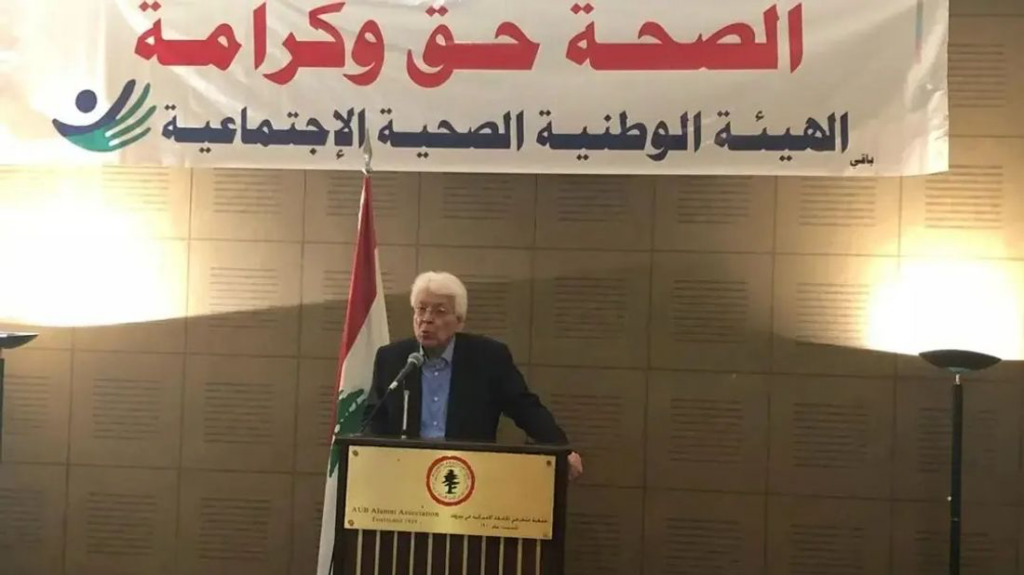
In a statement, the head of the “Health is a Right and Dignity” campaign, former Hezbollah MP Dr. Ismail Sukarieh, denounced “the decision by the State of Kuwait to place 8 Lebanese hospitals on the list of ‘terrorism and the proliferation of weapons of mass destruction’ in implementation of Security Council resolutions.”
He questioned: “What terrorist acts is the decision talking about? It targets hospitals that perform the duty of healthcare for a broad Lebanese social segment. Where are the weapons of mass destruction ? This reminds us of the lie of Iraqi weapons of mass destruction that led to the occupation and destruction of Iraq, unless the decision is in the context of plans being arranged for the country that tamper with its internal stability, perhaps leading to the geographical theories frequently repeated by the American envoy, Tom Barrak.” May God protect us.”
