Voters Don’t Re-Elect Leaders Who Make Them Poorer
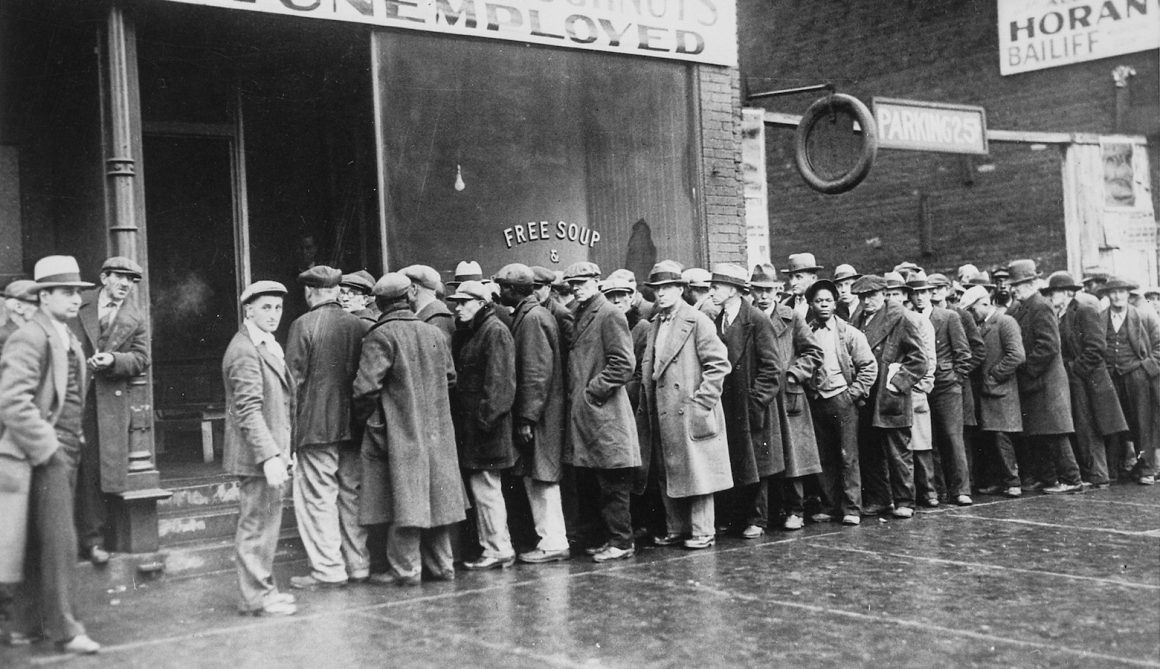
PHOTO- The 1930s Depression, formally known as the Great Depression, was a devastating global economic downturn that began with the stock market crash in October 1929 and lasted for a decade, though recovery didn’t fully complete until the start of World War II. Tariffs reportedly caused the Great Depression. The Smoot-Hawley Tariff Act, named after Republicans Oregon Rep. Willis Hawley and Utah Sen. Reed Smoot, implemented high tariffs that reached nearly 60%.
By Ya Libnan- Op-Ed
Between January 20 and December 15, 2025, the United States collected over $200 billion in tariff revenue, with estimates reaching $216.7 billion for the fiscal year — nearly triple the $77 billion collected in 2024. That money did not come from China, Canada, or Europe. It came directly from American consumers, especially working-class households.
Tariffs are taxes. They are paid by U.S. importers and passed on through higher prices at grocery stores, hardware stores, auto dealerships, and pharmacies. The hardest hit are seniors on fixed incomes, factory workers, truck drivers, veterans, farmers, and small business owners — the backbone of Trump’s electoral base.
Every tariff dollar collected is a dollar taken out of an American family’s purchasing power. Higher prices mean fewer groceries, delayed car repairs, postponed medical care, and shrinking savings. This is not economic strength; it is a silent pay cut.
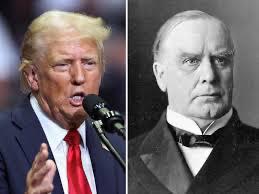
History has already warned us. President William McKinley — long celebrated as the champion of tariffs — admitted shortly before his assassination that protectionism was a mistake. The lesson was reinforced in the 1930s, when sweeping tariffs helped turn a recession into the Great Depression. Tariffs did not protect American workers then, and they will not protect them now.
The global consequences are already visible. Since Trump’s return, confidence in U.S. economic leadership has weakened. The dollar’s appeal has declined, while gold prices have surged, signaling that sovereign wealth funds are hedging against U.S. policy unpredictability by moving away from Treasuries and into hard assets. When the world loses confidence in America’s economic judgment, Americans pay the price through higher borrowing costs and a weaker dollar.
There is also a constitutional concern that should alarm every American, regardless of party. The Constitution grants Congress — not the executive branch — the power to levy taxes. Tariffs imposed by threat or decree function as taxes on the American people, enacted without debate, representation, or consent. That is not conservative governance; it is dangerous precedent.
Tariffs do not make America stronger. They make everyday Americans poorer. They do not punish foreign governments. They punish the voters who believed they were voting for lower costs, stronger growth, and economic fairness.
If “America First” is to mean anything, it must begin with protecting American consumers — not taxing them into silence. The tariff experiment has failed. It is time to end it and return to free, fair, and rules-based trade that actually serves the people who carry this country on their backs.
