Stricter Drug Laws Can Save Lives, Repair Diplomacy, and End Needless Conflicts
By Ya Libnan Editorial Board, Op.Ed
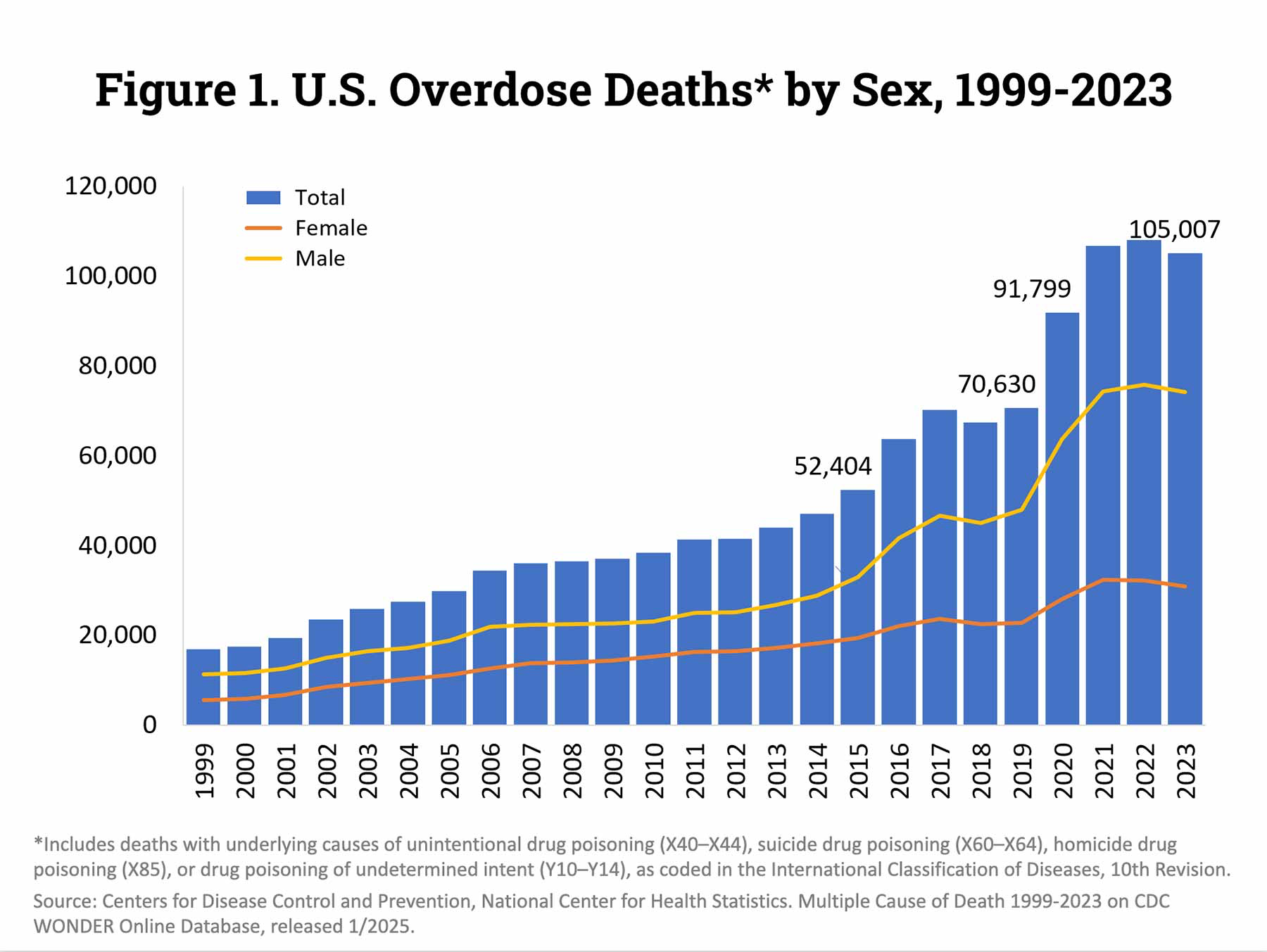
Drug overdoses in the United States claimed more than 100,000 lives for a third consecutive year in 2023, marking a more than 50 percent increase since 2019. By a substantial margin, the U.S. now has the highest overdose death rate in the world, followed by Puerto Rico, a U.S. possession.
This catastrophe is not caused by foreign governments. It is the result of America’s own failure to confront its drug crisis seriously.
Instead of enforcing strong, effective drug laws at home, Washington has chosen a dangerous habit: externalizing blame. We point fingers at neighbors, impose pressure, threaten intervention, and damage diplomatic ties—while refusing to admit that weak laws and lax enforcement are fueling addiction, trafficking, and death inside our own borders.
We cannot make enemies of all our neighbors simply because we cannot control our drug problem.
Had the United States adopted and enforced stricter drug laws, many self-inflicted wounds could have been avoided. The aggressive posture toward Venezuela would likely never have occurred. Relations with Canada and Mexico—our closest and most important partners—would be far healthier. Border tensions, accusations, and endless cycles of blame would be replaced by cooperation and trust.
Permissive drug policies are often marketed as compassion. In reality, they are neglect masquerading as virtue. The true victims are not traffickers or cartels, but families burying sons and daughters lost to preventable overdoses.
There is a proven alternative. Countries like Singapore treat drugs as a national security and public health emergency. Through strict laws, firm enforcement, and zero tolerance for trafficking, Singapore has avoided the mass addiction and overdose crises now devastating the United States. Lives were saved—not by slogans, but by discipline and resolve.
America does not need to copy any country blindly. But it must learn from success instead of repeating failure.
Real compassion means preventing addiction, not normalizing it. Real leadership means fixing our domestic crisis instead of exporting blame abroad.
If the United States wants to save lives, restore credibility, and rebuild trust with its neighbors, the path forward is clear:
Get tough on drugs at home—and stop exporting America’s failures abroad.
