By: Graham Pennicott- Op-Ed
Stolen Wealth Was Inherited — So Was the Debt
Algeria’s parliament has unanimously declared France’s 130-year colonization a crime, demanding a formal apology and reparations from France. This was not symbolism. It was an indictment of a system that enriched Europe through violence and extraction, then relied on the passage of time to escape accountability.
Colonialism in Algeria was not a “civilizing mission.” It was mass killing, land seizure, forced labor, cultural destruction, and deliberate economic underdevelopment. The consequences are still visible today. By legally defining colonization as a crime, Algeria has shattered Europe’s most comfortable illusion: that empire belongs safely to the past.
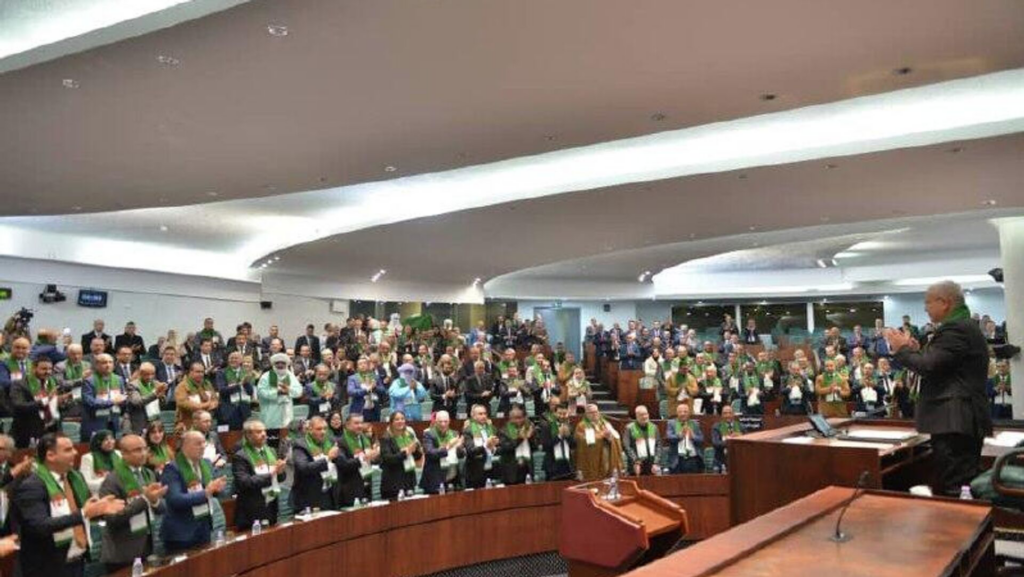
Algerian lawmakers vote to label France’s colonisation a crime at the National Assembly in Algiers on Wednesday. Photo: AP
This precedent will not remain isolated.
Formerly colonized nations—particularly Francophone states such as Tunisia, Morocco, Senegal, Mali, and Vietnam—share similar histories of repression and exploitation. Their restraint over the decades was not forgiveness; it was the result of political pressure, economic dependence, and geopolitical coercion. Algeria has now broken that silence.
What truly alarms former colonial powers is not the demand for apologies. It is reparations.
Today’s European generations argue they are not responsible for crimes committed by their ancestors. That argument collapses under one undeniable fact: they inherited the benefits. Modern European states are the legal and economic successors of their empires. Their wealth, infrastructure, institutions, and global influence were built in large part on resources extracted—often violently—from colonized lands.
You cannot inherit stolen assets and deny the stolen debt.
No one questions inherited wealth. No one returns fortunes accumulated generations ago. Yet when justice is demanded, history is suddenly declared irrelevant. That hypocrisy is no longer sustainable.
Reparations are not charity. They are unpaid invoices—owed in compensation, debt relief, development investment, and the return of cultural property that still fills European museums.
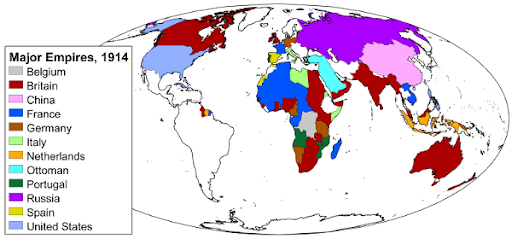
If this reckoning accelerates, the country most exposed is the United Kingdom, whose empire spanned continents and extracted wealth on an unmatched scale.
Algeria has done what Europe feared most: it reframed colonialism as an ongoing injustice with living beneficiaries.
History does not forget debts.
It collects them.
