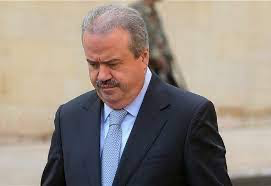
Finance Minister Yassin Jaber stressed that Lebanon “is not a bankrupt country,” but rather is suffering from a severe liquidity crisis that calls for profound reforms, not the squandering of public property.
In an interview with Asharq Al-Awsat, Jaber explained that the current required step is “conducting a comprehensive inventory of public assets, not with the aim of selling state property, but rather to improve its management and invest it in an effective manner that benefits the national economy.” He considered that addressing the crisis begins with strengthening the governance of these assets and utilizing them to stimulate growth and achieve stability.
He pointed out that the country is actually experiencing severe liquidity constraints, which necessitates accelerating the plan to restructure public finances, public debt, and the budget, in addition to closing the loopholes for waste and expanding the scope of the fight against corruption within the public sector.
In a related context, Jaber noted that the government is currently dealing with a financial gap “exceeding twice the GDP,” amid extremely complex sovereign conditions. He also emphasized the need to prepare for negotiations with holders of international debt bonds (Eurobonds), in an attempt to reach solutions that respect the rights of creditors and preserve the interests of the Lebanese state.
