If the U.S.-Iranian talks fail, and strikes on Iran occur, the ramifications could be very far-reaching.
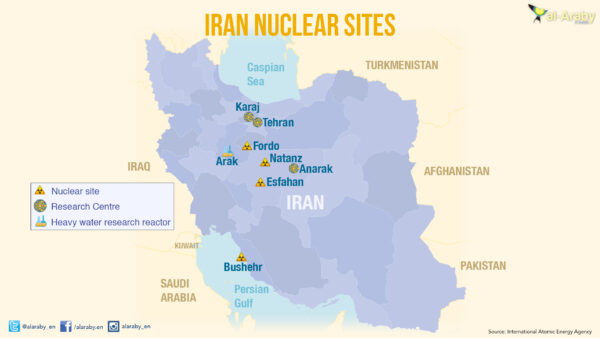
U.S. President Donald Trump has been presented with a broad array of potential military options against Iran should ongoing nuclear negotiations with that country fail. Israel is already reportedly moving ever closer to at least being in a position to launch its own strikes on Iranian nuclear sites. The direct and indirect blowback from any such operations against Iran could be immense.
Fears that U.S.-Iranian nuclear talks are on the verge of collapse have been steadily growing in the past week or so amid statements from both sides outlining potentially intractable positions. Iran’s ability to continue domestic enrichment of nuclear material that could be used to produce nuclear weapons has emerged as a key stumbling block to reaching a deal.
“If the President directed [it], is CENTCOM [U.S. Central Command] prepared to respond with overwhelming force to prevent a nuclear-armed Iran?” Congressman Mike Rogers, an Alabama Republican, asked U.S. Army Gen. Michael “Erik” Kurilla at a hearing of the House Armed Services Committee today. Kurilla is currently head of CENTCOM, making him the top officer overseeing operations across the Middle East.
“I have provided the Secretary of Defense [Pete Hegseth] and the President [Trump] a wide range of options,” Kurilla said in response.
“I take that as a yes?” Rogers, the present chairman of the House Armed Services Committee, asked in return, appearing to refer to the specific wording of his question, to include the possible use of “overwhelming force.”
“Yes,” Kurrila said.
Top U.S. military commander in the Middle East General Kurilla confirms that he has presented military options on Iran to President Trump & SecDef Hegseth in House Armed Services Committee this morning. pic.twitter.com/TzQG0HUdQu
— Brian Katulis (@Katulis) June 10, 2025
It is important to note here that U.S. presidents and defense secretaries regularly ask to be briefed on potential military options in light of crises or heightened risks of one erupting. Being presented with a full range of operational possibilities, including large-scale strikes or other significant direct action, does not mean the United States is automatically committed to pursuing any specific course of action, something we will come back to later on.
Publicly, Trump has consistently advocated for reaching a deal with Iran to avoid any need to take military action, though he has also raised the possibility of military action in the event talks reach a dead end. He has separately said that he has pressed his Israeli counterpart, Prime Minister Benjamin Netanyahu, to hold off on striking Iranian targets while negotiations are ongoing. There have been reports of significant friction between the two leaders, as well. Amid all this, the U.S. president is said to be facing increasingly intense pressure from a faction of domestic political allies to acquiesce to and/or join in on Israeli attacks on Iran, according to a new report just today from Politico.
TWZ
